
NewsDetails
Automatic vs Manual Filter Press Operation Comparison
author:grh time:2026-05-27 16:37:26 Click:106
Filter press operation ranges from fully manual systems requiring constant operator attention to fully automated installations running multiple cycles without human intervention. Choosing between automatic and manual operation involves balancing labor costs, throughput requirements, consistency needs, and capital investment. Understanding the capabilities and limitations of each approach helps facilities select the right level of automation.
Manual Filter Press Operation
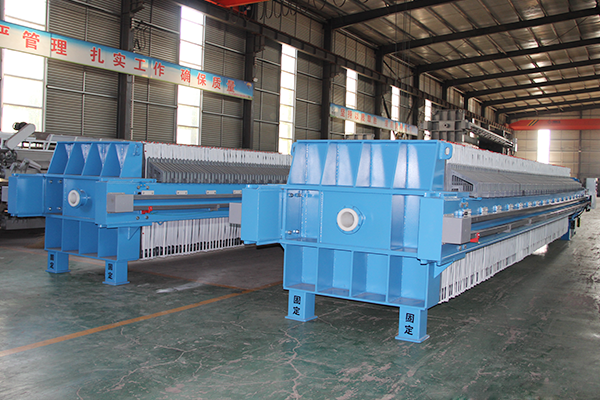
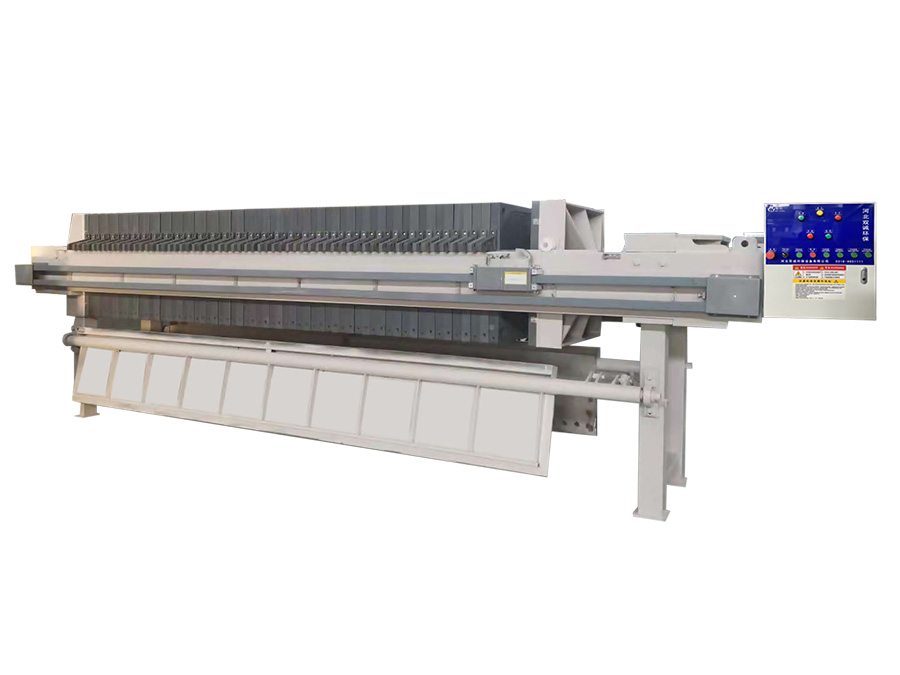
Manual filter presses require operators to perform every function: closing the plate pack, starting and stopping the feed pump, opening plates for cake discharge, and removing filter cakes from individual chambers. This hands-on approach gives operators direct control over every aspect of the filtration cycle but demands constant presence and physical effort throughout each cycle.
Professional manual filter press manufacturers design their equipment with ergonomic features like balanced plate weights, convenient handle positions, and accessible filter cloth surfaces that simplify manual operation. These design considerations reduce operator fatigue and improve safety for installations where manual operation remains practical.
Automatic Filter Press Features
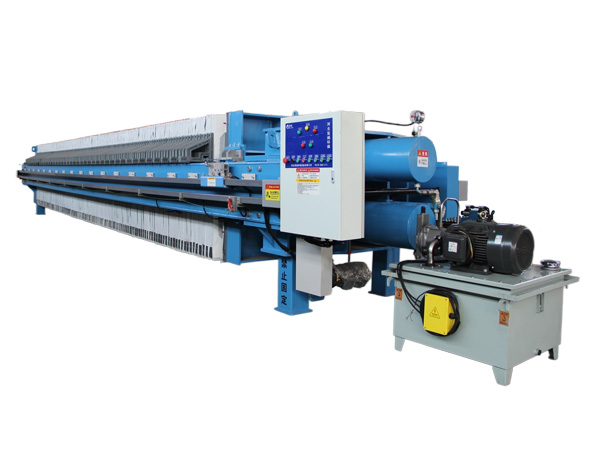
Automatic filter presses mechanize plate shifting, cake discharge, and cloth washing operations. Hydraulic or electromechanical systems sequentially separate plates, allowing cakes to fall by gravity or with mechanical assistance. Integrated cloth washing systems spray high-pressure water onto cloth surfaces between cycles, maintaining filtration performance. Automated controls manage the complete cycle from closing through cake discharge.
Leading automatic filter press suppliers integrate programmable logic controllers (PLCs) with touch-screen interfaces that provide intuitive operation, cycle monitoring, and production data logging. Their control systems enable operators to adjust parameters easily while maintaining safety interlocks that prevent hazardous conditions.
Labor Requirements and Cost Comparison
Manual filter presses typically require one dedicated operator per press during active cycling. For facilities running multiple presses across multiple shifts, labor costs become substantial. Automatic presses reduce operator requirements to part-time supervision, with one operator monitoring several presses simultaneously. Labor savings often justify automation investment within 1-3 years for multi-press installations.
Experienced filter press factories provide labor analysis comparisons for specific installation scenarios, helping customers quantify the economic benefit of automation. These analyses incorporate local labor rates, shift patterns, and cycle frequencies that determine actual labor savings for each application.
Cycle Consistency and Product Quality
Automated systems deliver consistent cycle parameters—feed pressure, feed duration, squeeze time, and cake discharge timing remain identical from cycle to cycle. This consistency produces uniform cake moisture and filtrate quality that manual operation cannot match, particularly across different operators and shifts. For product recovery applications where moisture specifications affect downstream processing, automation ensures specification compliance.
Quality-focused automated filtration equipment suppliers design their control systems with recipe management features that store optimized parameters for different product grades or slurry types. Operators select the appropriate recipe, and the control system executes the cycle precisely, eliminating variability from manual parameter adjustments.
Safety Advantages of Automation
Automatic filter presses offer significant safety advantages. Operators remain clear of moving plates during shifting cycles, reducing pinch point hazards. Automated cake discharge eliminates manual cake removal from between plates, reducing slip-and-fall risks from wet cake material. Interlocked safety systems prevent plate shifting unless safety guards are in position, protecting personnel from unexpected movement.
Reputable safety-focused filter press manufacturers design their automatic systems with multiple safety layers including light curtains, safety mats, emergency stops, and controlled-speed plate movement that protect operators while maintaining efficient cycle times.
Maintenance Considerations
Automatic filter presses include more mechanical components—shifting mechanisms, cloth washing systems, and control systems—that require maintenance beyond what manual presses demand. However, automated cloth washing maintains cloth permeability and extends cloth life, reducing cloth replacement frequency. Automated operation also prevents the rough handling that sometimes occurs during manual cake removal, extending plate and cloth service life.
Established filter press maintenance suppliers provide preventive maintenance programs for their automatic systems, including scheduled inspections, lubrication requirements, and component replacement intervals. They also offer remote monitoring capabilities that detect developing problems before they cause unplanned downtime.
Making Informed Automation Decisions
Selecting the appropriate level of filter press automation requires evaluating labor costs, throughput requirements, consistency needs, safety priorities, and capital budget availability. Start with a thorough analysis of current manual operations—document cycle times, labor requirements, and consistency issues. Then evaluate automation options based on realistic performance expectations and documented economic benefits.
The right automation level delivers measurable improvements in labor efficiency, cycle consistency, and operator safety. By understanding automation capabilities and working with experienced suppliers, facilities can implement filter press systems that optimize performance for their specific operational requirements.
References
International Society of Automation (ISA) - Automation Standards for Process Equipment
Occupational Safety and Health Administration (OSHA) - Machine Guarding Requirements
American Filtration and Separation Society (AFS) - Filter Press Automation Best Practices
 Recommended Products
 Contact us
—— Contact:Manager
—— Tel:+86 16632826789
—— Email:sales@hbscfilterpress.com
—— Url:https://www.hbscfilterpress.com
—— Address:West Zone of Economic Development Zone, Fucheng County, Hengshui City, Hebei Province