
NewsDetails
Chamber Filter Press Working Principle and Applications
author:grh time:2026-05-30 17:25:18 Click:95
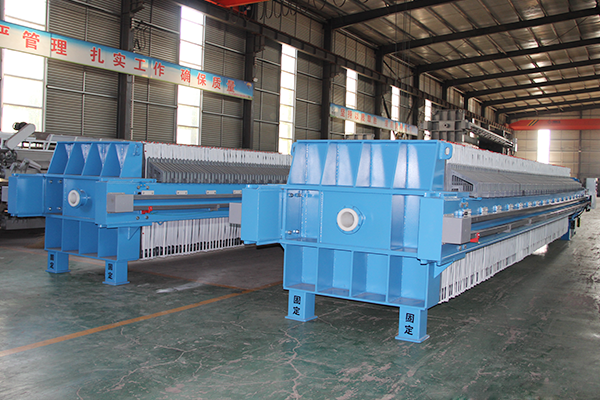
Chamber filter presses remain one of the most reliable and cost-effective solid-liquid separation technologies available to industry. These machines produce exceptionally dry filter cakes and clean filtrate across diverse applications from mining and chemical processing to municipal wastewater treatment. Understanding how chamber filter presses work helps operators maximize performance and minimize operating costs.
How Chamber Filter Presses Operate
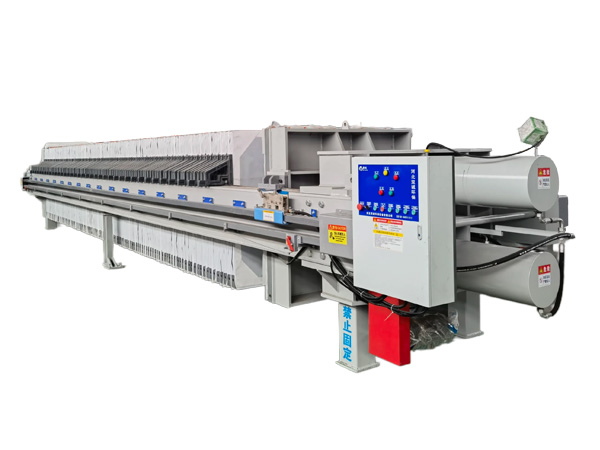
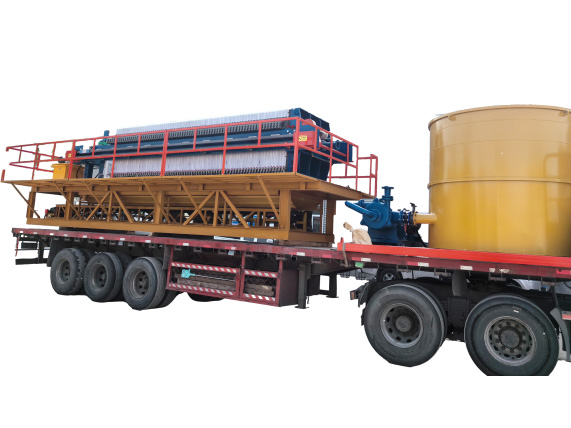
The chamber filter press operates through a straightforward yet effective principle. Slurry is pumped into chambers formed between adjacent filter plates under pressure. As the chambers fill, solid particles are retained by filter cloth media while liquid passes through as filtrate. Continued feeding builds cake thickness until chambers are full, at which point the filtration cycle completes.
Professional filter press manufacturers design their chamber systems with optimized plate geometries, feeding configurations, and drainage patterns that maximize filtration rates and cake dryness. Their engineering expertise translates to equipment that delivers consistent performance across varying feed conditions and slurry characteristics.
Key Components and Their Functions
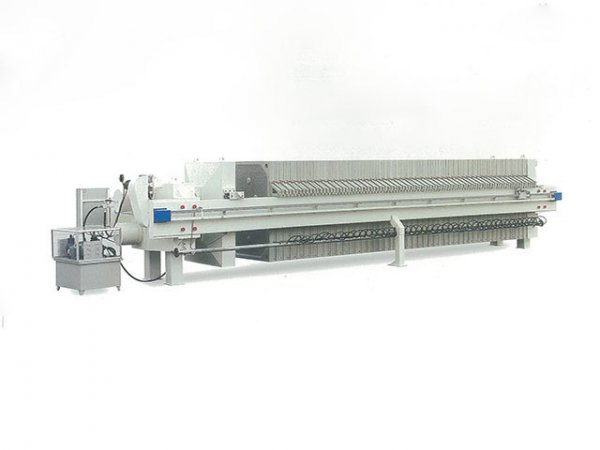
A chamber filter press consists of several critical components working together. The frame provides structural support for the plate pack under operating pressures. Filter plates form the chambers and provide drainage surfaces. Filter cloth serves as the filtration medium that retains solids. The hydraulic closing system applies clamping force to seal the plate pack against leakage.
Leading filter press suppliers offer components manufactured from materials suited to specific applications. Polypropylene plates resist corrosion from acidic and alkaline slurries. Cast iron plates handle high-temperature applications. Stainless steel components serve food-grade and pharmaceutical processes requiring strict hygiene standards.
Filtration Pressure and Cake Formation
Filtration pressure directly affects cake dryness and throughput capacity. Standard chamber filter presses operate at 6-8 bar feeding pressure, producing cakes with typical moisture content of 25-35% depending on material characteristics. Higher pressures achieve drier cakes but require heavier plate construction and more robust hydraulic systems.
Experienced chamber filter press factories engineer their equipment for reliable operation at rated pressures throughout extended service life. They design feeding systems, pressure relief mechanisms, and safety devices that protect both equipment and operators during high-pressure filtration operations.
Cake Washing and Air Blowing
Many applications require washing filter cakes to recover soluble products or remove contaminants. Chamber filter presses accommodate cake washing by introducing wash liquid through dedicated channels after initial cake formation. Subsequent air blowing displaces wash liquid from cake pores, improving washing efficiency and final cake dryness.
Quality-focused industrial filter press manufacturers design their plate systems with integrated washing channels and air distribution networks. These built-in features simplify washing operations and ensure uniform wash liquid distribution across the entire cake surface for effective contaminant removal.
Plate Shifting and Cake Discharge
After filtration completes, the plate pack opens and plates shift apart to release filter cakes. Manual plate shifting requires operators to separate each plate individually—labor-intensive for large presses. Automatic plate shifters use mechanical systems to sequentially separate plates, dramatically reducing cycle time and labor requirements for high-volume operations.
Reputable filter press equipment suppliers offer both manual and automatic plate shifting configurations. They recommend appropriate automation levels based on plate count, cycle frequency, and cake characteristics that justify the investment in automatic shifting systems.
Applications Across Industries
Chamber filter presses serve diverse industries including mining and minerals processing, chemical manufacturing, pharmaceutical production, food and beverage processing, power generation, and municipal wastewater treatment. Each application presents unique challenges in terms of slurry characteristics, throughput requirements, and regulatory compliance needs.
Established sludge dewatering equipment manufacturers maintain application databases documenting performance across hundreds of installations. This experience enables them to recommend proven configurations and operating parameters that deliver optimal results for specific slurry types and treatment objectives.
Making Informed Filter Press Decisions
Selecting a chamber filter press requires evaluating feed characteristics, desired cake dryness, throughput requirements, and operating conditions. Engage experienced manufacturers early in the planning process, provide representative slurry samples for testing, and review performance data from similar applications to develop realistic expectations for your installation.
The chamber filter press delivers unmatched cake dryness and filtrate clarity across a remarkably wide range of industrial applications. By understanding operating principles and partnering with knowledgeable suppliers, facilities can implement filtration solutions that meet treatment objectives efficiently and economically.
References
American Filtration and Separation Society (AFS) - Industrial Filtration Handbook
Water Environment Federation (WEF) - Biosolids Treatment and Management Manual
Society for Mining, Metallurgy and Exploration (SME) - Mineral Processing Plant Design Handbook
 Recommended Products
 Contact us
—— Contact:Manager
—— Tel:+86 16632826789
—— Email:sales@hbscfilterpress.com
—— Url:https://www.hbscfilterpress.com
—— Address:West Zone of Economic Development Zone, Fucheng County, Hengshui City, Hebei Province