
NewsDetails
Diaphragm Membrane Filter Press: System Architecture and Design Overview
author:Shuangcheng time:2026-01-14 16:08:12 Click:183
Diaphragm Membrane Filter Press in Industrial Filtration
The diaphragm membrane filter press has become a core filtration solution in industrial solid–liquid separation processes where high dewatering efficiency and consistent performance are required. Unlike conventional filter presses, this system integrates membrane-assisted compression, enabling enhanced cake dryness and improved operational control.
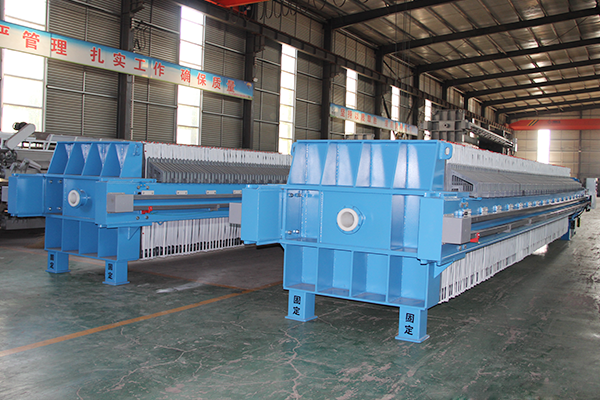
From a manufacturer and production perspective, a diaphragm membrane filter press is not a standalone machine but a carefully engineered system designed for long-term reliability, repeatable manufacturing, and scalable bulk supply. Its architecture reflects a balance between mechanical strength, hydraulic control, and filtration efficiency, making it suitable for demanding industrial environments.
This article presents a comprehensive overview of the system architecture and design considerations behind a diaphragm membrane filter press, highlighting how structural design supports both performance and production consistency.
Overall System Architecture
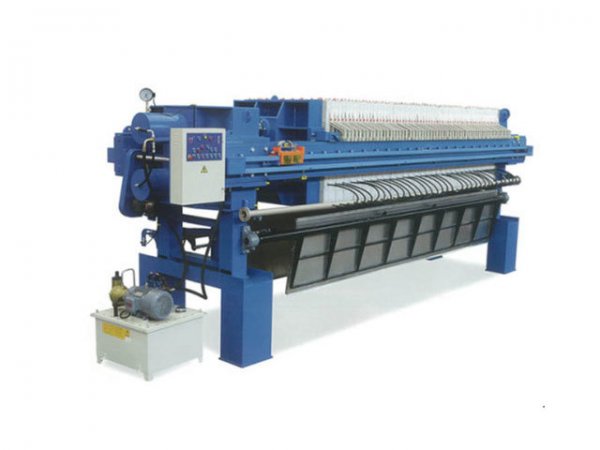
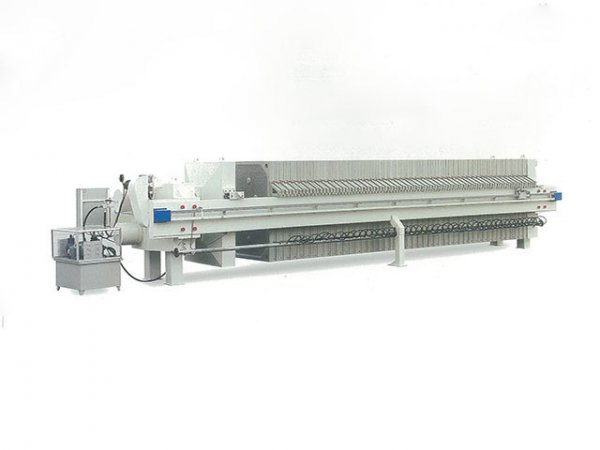
A diaphragm membrane filter press system is composed of multiple integrated subsystems, each contributing to stable filtration cycles and controlled pressure application.
The main architectural elements include:
·Load-bearing frame and support structure
·Diaphragm membrane filter plates
·Hydraulic pressure and control system
·Filtration chambers and flow channels
·Safety and operational components
From a production standpoint, modular architecture allows standardized manufacturing while accommodating different capacity requirements, supporting efficient bulk production and supply.
Structural Frame and Load Management
The structural frame is the foundation of the diaphragm membrane filter press. It must withstand repeated high-pressure filtration and membrane squeezing cycles without deformation.
Key design considerations include:
·High-strength structural materials
·Precise alignment of filter plates
·Resistance to long-term fatigue under pressure
For manufacturer-level production, consistent frame geometry ensures interchangeability of components across multiple units, simplifying assembly and quality control during mass production.
Diaphragm Membrane Filter Plates
Diaphragm membrane filter plates are the defining feature of this filtration system. Each plate incorporates a flexible membrane that expands under pressure to apply secondary compression to the filter cake after initial filtration.
This design enables:
·Enhanced cake compaction
·Reduced residual moisture content
·Improved filtration efficiency
Precision molding and controlled production processes ensure uniform membrane behavior, which is essential when supplying diaphragm membrane filter press systems in bulk quantities.
Hydraulic System and Pressure Control
The hydraulic system plays a central role in both plate closure and membrane expansion. Accurate pressure control ensures consistent filtration results and protects system components from excessive stress.
Key hydraulic design features include:
·Stable closing force during filtration
·Controlled membrane inflation pressure
·Integrated safety and pressure regulation mechanisms
From a production perspective, standardized hydraulic assemblies support consistent performance across large manufacturing batches and reduce variability between supplied units.
Filtration Chambers and Flow Design
Filtration chambers are formed between adjacent diaphragm plates, and their geometry directly influences filtration behavior. Proper chamber design ensures uniform cake formation and efficient filtrate discharge.
Design priorities include:
·Even chamber volume distribution
·Optimized slurry flow paths
·Low-resistance filtrate channels
Tight dimensional tolerances during production help maintain consistent filtration performance across all diaphragm membrane filter press units delivered in bulk supply orders.
Operating Principle and Filtration Cycle
The filtration cycle of a diaphragm membrane filter press follows a structured sequence designed to maximize dewatering efficiency:
1.Hydraulic closing of the filter plate pack
2.Slurry feeding into filtration chambers
3.Primary solid–liquid separation through filter media
4.Secondary membrane squeezing for cake compression
5.Pressure release and cake discharge
This controlled process allows for predictable cycle times and repeatable results, which is critical in industrial production environments.
Design Considerations for High-Pressure Operation
High-pressure operation places additional demands on system architecture and material selection. Diaphragm membrane filter press designs account for these conditions through reinforced structural elements and controlled membrane expansion.
Important considerations include:
·Reinforced sealing surfaces
·Uniform pressure distribution across plates
·Controlled membrane deformation limits
These features reflect a manufacturer’s focus on long-term durability and operational safety under continuous industrial use.
Manufacturing and Production Efficiency
From a diaphragm membrane filter press manufacturer standpoint, system design must align with efficient production processes. Custom engineering should not compromise repeatability or scalability.
Key production considerations include:
·Repeatable mold tooling for membrane plates
·Consistent material specifications
·Assembly processes supporting dimensional accuracy
Such production discipline enables reliable bulk supply while maintaining strict quality standards across all delivered equipment.
Integration into Industrial Processing Systems
Diaphragm membrane filter press systems are often integrated into complete industrial filtration lines. Design compatibility with upstream and downstream equipment simplifies installation and commissioning.
Integration benefits include:
·Reduced installation time
·Compatibility with automated control systems
·Improved overall process efficiency
For industrial operators, these design advantages translate into smoother system operation and reduced operational risk.
Conclusion: Architecture Supporting Performance and Supply Stability
The diaphragm membrane filter press represents an advanced filtration solution where system architecture and design precision directly influence performance outcomes. By combining robust structural components with controlled hydraulic pressure and membrane-assisted compression, this system delivers high dewatering efficiency and consistent filtration results.
From a manufacturer and production perspective, a well-designed diaphragm membrane filter press supports scalable bulk supply without sacrificing reliability or quality. Its architecture reflects the requirements of modern industrial filtration—where performance, durability, and production consistency must work together to support long-term operational success.
References
GB/T 7714:Richardson J F, Harker J H, Backhurst J R. CHEMICAL ENGINEERING: Particle Technology and Separation Processes Volume. 2 (5th Editon)[M]. Butterworth Heinemann, 2007.
MLA:Richardson, John Francis, John Hadlett Harker, and John Rayner Backhurst. CHEMICAL ENGINEERING: Particle Technology and Separation Processes Volume. 2 (5th Editon). Butterworth Heinemann, 2007.
APA:Richardson, J. F., Harker, J. H., & Backhurst, J. R. (2007). CHEMICAL ENGINEERING: Particle Technology and Separation Processes Volume. 2 (5th Editon). Butterworth Heinemann.
 Recommended Products
 Contact us
—— Contact:Manager
—— Tel:+86 16632826789
—— Email:sales@hbscfilterpress.com
—— Url:https://www.hbscfilterpress.com
—— Address:West Zone of Economic Development Zone, Fucheng County, Hengshui City, Hebei Province