
NewsDetails
High-Efficiency Filter Press Machine for Sludge Dewatering Applications
author:grh time:2026-05-15 12:57:26 Click:97
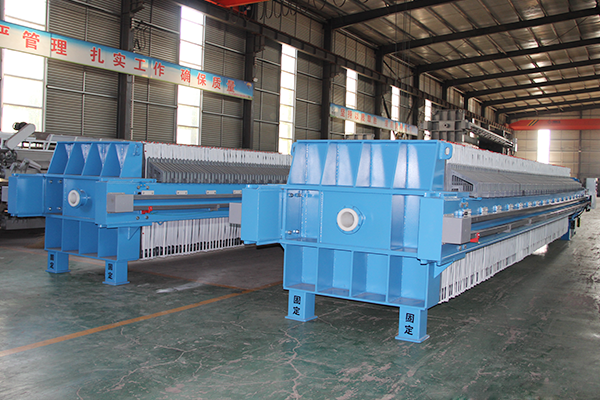
In modern wastewater treatment and industrial processing procedures, sludge dewatering serves as a crucial step for minimizing waste volume, cutting down disposal expenses, and enhancing compliance with environmental regulations. A high-efficiency filter press machine has emerged as one of the most dependable and effective solutions to accomplish these objectives. This article examines the operational mechanism of high-efficiency filter presses, their core advantages, and the reasons behind their widespread adoption in various sludge dewatering scenarios.
What Is a Filter Press for Sludge Dewatering?
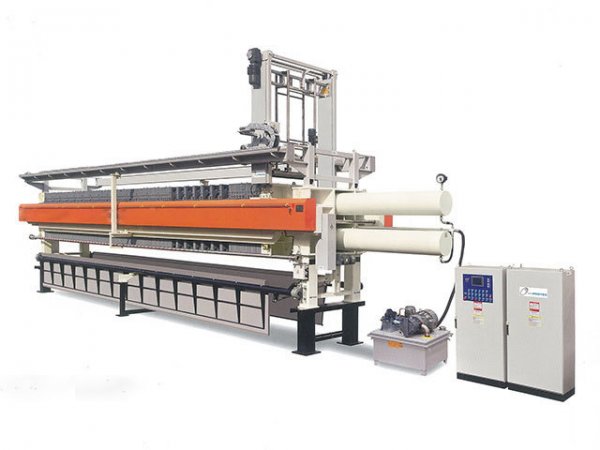
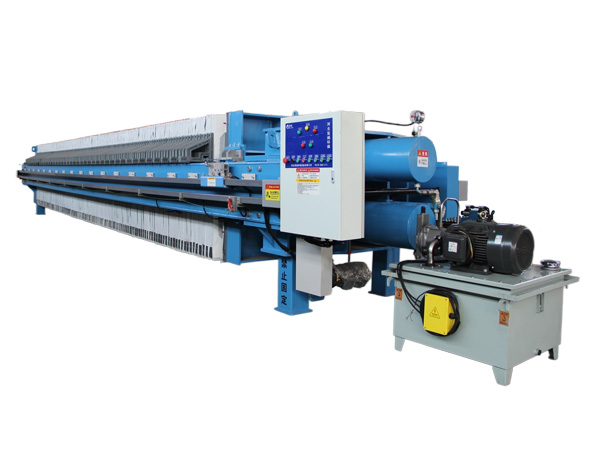
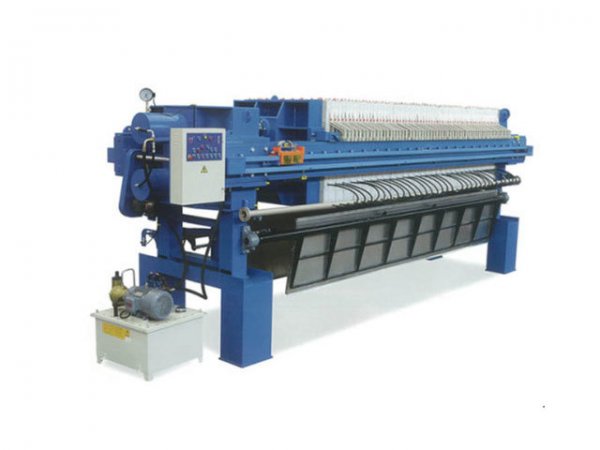
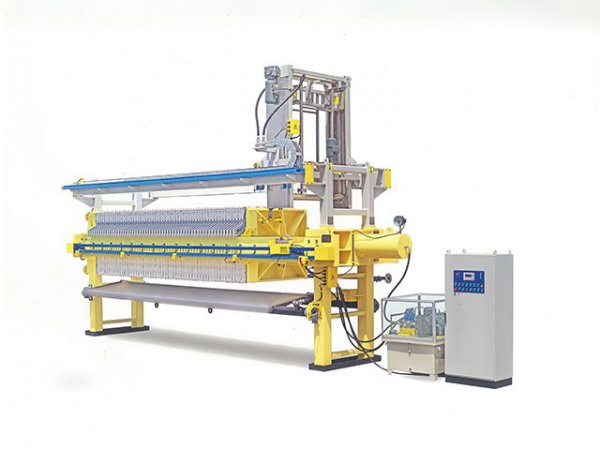
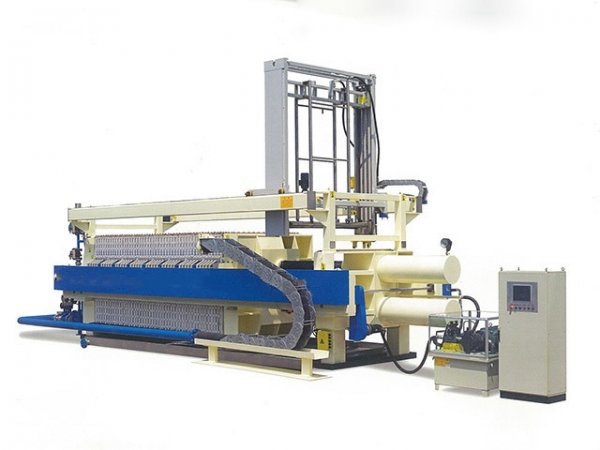
A filter press designed for sludge dewatering is a pressure-driven filtration device specifically crafted to separate solids from liquids in sludge. It operates by pumping sludge slurry into a series of filter plates lined with filter cloths. Under high pressure, water is squeezed out of the sludge, while solid particles are trapped and form a dense filter cake. Unlike many continuous dewatering systems, filter presses generally work in batch cycles, which enables them to achieve higher solid concentration levels in the final filter cake.
Why Choose a High-Efficiency Filter Press?
High-efficiency filter press machines are designed to maximize dewatering performance while keeping operational costs to a minimum. In comparison to conventional filter press systems, they offer the following key benefits:
Higher cake dryness (usually 30–60%+ dry solids, depending on the type of sludge being processed)
Reduced sludge volume, which in turn lowers transportation and disposal costs
Cleaner filtrate, which enhances the potential for water reuse in industrial processes
Lower energy consumption, thanks to their pressure-based filtration mechanism
In some advanced high-efficiency filter press systems, the dry solids content of the filter cake can reach even higher levels, depending on the sludge conditioning methods and compression techniques employed.
Working Principle of High-Efficiency Filter Press Machines
The sludge dewatering process of high-efficiency filter presses consists of several key stages, each contributing to effective solid-liquid separation:
Slurry Feeding
Sludge is pumped into the filter chambers formed by the assembled filter plates, filling the gaps between the plates evenly.
Pressure Filtration
Hydraulic or mechanical pressure is applied to the filter plates, forcing water in the sludge to pass through the filter cloths while retaining solid particles.
Cake Formation
As the filtration process proceeds, solid particles accumulate and are compressed into a dense, solid filter cake inside each filter chamber.
Cake Discharge
Once the filtration cycle is completed, the filter plates are opened automatically, and the formed filter cake is released from the chambers for disposal or further processing. Modern high-efficiency filter press systems often incorporate additional features such as membrane squeezing or air blowing to further reduce the moisture content of the filter cake.
Key Features of High-Efficiency Filter Presses
1. Advanced Plate Technology
Membrane or recessed filter plates are adopted to increase the pressure exerted on the sludge, thereby improving water removal efficiency and enhancing the dryness of the filter cake.
2. High-Pressure Hydraulic System
Efficient hydraulic systems deliver consistent and stable pressure throughout the filtration process, ensuring maximum solid-liquid separation and optimal dewatering results.
3. Automation and Smart Control
Modern high-efficiency filter presses are equipped with advanced automation and smart control features, including:
Programmable Logic Controller (PLC) control systems
Automatic plate shifting mechanisms
Automated cake discharge systems
These features effectively reduce labor costs, minimize human error, and improve operational consistency.
4. High Processing Capacity
Industrial-grade high-efficiency filter presses can handle large volumes of sludge, ranging from thousands to tens of thousands of gallons per day, depending on their configuration and design.
5. Water Recycling Capability
Some advanced high-efficiency filter press designs enable up to 90% of the process water to be recovered and reused, significantly improving the sustainability of industrial and wastewater treatment operations.
Applications of Sludge Dewatering Filter Press Machines
High-efficiency filter presses are widely used in various industries and sectors for sludge dewatering, including:
Municipal Wastewater Treatment
Dewatering of primary and secondary sludge
Reducing the volume of sludge for landfill disposal
Industrial Wastewater Treatment
Chemical plants
Textile and dye manufacturing industries
Food and beverage processing facilities
Mining and Quarrying
Dewatering of tailings
Recovery of process water for reuse
Oil & Gas and Metal Processing
Treatment of sludge and slurry
Separation of solid contaminants from process fluids
These filter press systems are highly valued for their ability to handle complex sludge compositions while maintaining consistent and reliable dewatering performance.
Advantages Over Other Dewatering Technologies
When compared to other dewatering technologies such as belt presses or centrifuges, high-efficiency filter presses offer distinct advantages:
Higher dryness of the filter cake, reducing disposal costs
Better solid capture efficiency, ensuring thorough separation
Lower chemical consumption in certain applications, cutting operational expenses
A smaller environmental footprint, supporting sustainable operations
While belt filter presses provide continuous operation, high-efficiency filter presses outperform them in achieving superior filter cake dryness and clearer filtrate.
How to Maximize Efficiency in Sludge Dewatering
To achieve optimal dewatering performance with high-efficiency filter presses, consider the following key measures:
Proper sludge conditioning (for example, polymer dosing) to improve filtration efficiency
Selecting the appropriate plate type (membrane vs. chamber) based on sludge characteristics
Optimizing the filtration cycle time and applied pressure for different sludge types
Regular maintenance of filter cloths to ensure consistent performance and extend service life
Efficient operation not only enhances dewatering output but also prolongs the service life of the filter press equipment.
Conclusion
A high-efficiency filter press machine is a powerful and reliable solution for sludge dewatering, offering superior solid-liquid separation, reduced waste volume, and improved operational efficiency. Its ability to produce dry filter cake and recover process water makes it an indispensable piece of equipment in modern environmental protection and industrial processing systems. For businesses aiming to enhance sustainability while controlling operational costs, investing in a high-performance filter press is a wise and forward-looking decision that delivers long-term value.
References
GB/T 7714:High-Efficiency Filter Presses for Sludge Dewatering: Performance and Optimization. Journal of Environmental Engineering
MLA:Membrane Plate Technology for High-Efficiency Sludge Dewatering Filter Presses. Journal of Materials Science and Engineering
APA:Sludge Conditioning Techniques to Maximize Efficiency of High-Efficiency Filter Presses. Journal of Industrial and Engineering Chemistry
 Recommended Products
 Contact us
—— Contact:Manager
—— Tel:+86 16632826789
—— Email:sales@hbscfilterpress.com
—— Url:https://www.hbscfilterpress.com
—— Address:West Zone of Economic Development Zone, Fucheng County, Hengshui City, Hebei Province