
NewsDetails
High-Pressure Diaphragm Filter Press: Working Principle, Benefits & Comparison with Chamber Presses
author:grh time:2026-09-23 21:16:35 Click:179
Achieving the lowest possible cake moisture in solid-liquid separation is one of the toughest challenges in mining, metallurgy, and wastewater treatment. When a standard chamber filter press leaves too much residual water in the cake, disposal and transport costs climb. This is exactly where a high-pressure diaphragm filter press earns its place on the plant floor. Below, Hebei Shuangcheng Environmental Protection Equipment Co., Ltd. breaks down how this technology works, why it outperforms conventional presses for difficult slurries, and how to decide whether it fits your process.
What Is a High-Pressure Diaphragm Filter Press?
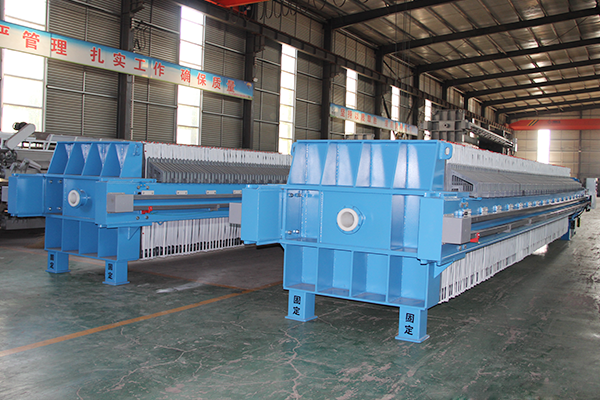
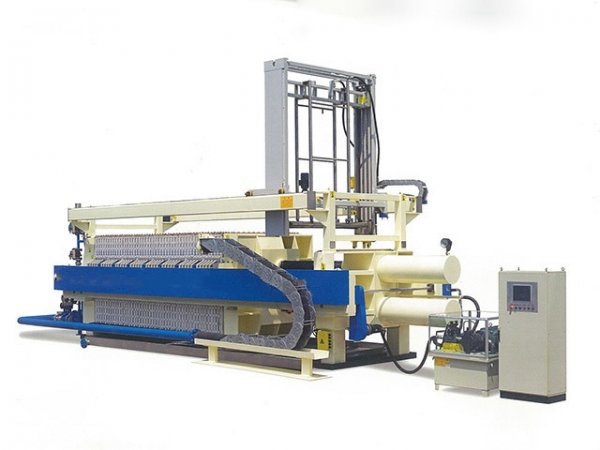
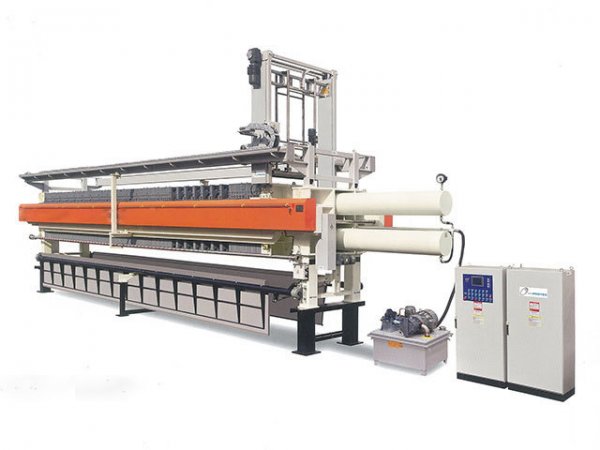
A diaphragm filter press (also called a membrane filter press) looks similar to a recessed chamber press, but each filter plate carries an elastic membrane—usually polypropylene or rubber—on one or both faces. After the slurry is fed and the initial filtration pressure squeezes out the free liquid, the machine inflates the diaphragms with compressed air or water. This secondary "squeeze" applies extra mechanical pressure directly to the filter cake, pushing out bound moisture that a normal chamber cycle cannot reach.
Because the squeeze pressure can exceed the feed pump pressure, the high-pressure diaphragm filter press delivers significantly drier cakes in the same footprint as a standard press. For buyers comparing options from a China filter press manufacturer, the membrane version is often the upgrade that pays for itself through reduced drying and haulage costs.
How a Diaphragm Filter Press Works: Step by Step
Closure: Hydraulic rams pull the plate pack tight, sealing the chambers.
Feed: Slurry is pumped in under pressure; filtrate passes through the filter cloth while solids build up as cake.
Wash (optional): For purity-sensitive streams, the cake can be washed before squeezing.
Membrane squeeze: Compressed air or water inflates the diaphragms, mechanically compressing the cake and expelling trapped moisture.
Blow-down: Air displaces residual liquid from cloth and cake pores.
Discharge: Plates open and the dry cake drops out automatically.
Key Benefits of Diaphragm / Membrane Filter Presses
| Benefit | Why It Matters |
|---|---|
| Lower cake moisture | Membrane squeeze removes bound water, cutting disposal weight by 10–30% versus chamber presses. |
| Shorter cycle time | The squeeze step accelerates dewatering, raising overall throughput per shift. |
| Energy efficiency | Mechanical squeeze uses far less energy than thermal drying of wet cake. |
| Gentle on cloths | Even pressure distribution extends filter cloth life. |
| Adaptable | Squeeze pressure is adjustable, suiting variable feed concentrations. |
Diaphragm Filter Press vs Chamber Filter Press
| Factor | Chamber Filter Press | Diaphragm (Membrane) Filter Press |
|---|---|---|
| Cake dryness | Good | Excellent (lowest moisture) |
| Capital cost | Lower | Higher (membrane plates) |
| Cycle speed | Moderate | Faster (squeeze stage) |
| Best for | General dewatering | Fine/compressible cakes, strict moisture specs |
For a deeper look at the chamber configuration, see our guide on why choose a chamber filter press.
Typical Applications
Mining & metallurgy: Tailings, concentrates, and flotation sludge where every moisture point lowers haul cost.
Coal preparation: Coal slurry dewatering to saleable moisture content.
Chemicals: Pigments, catalysts, and fine chemical residues.
Environmental: Municipal and industrial sludge to landfill-approved dryness.
Frequently Asked Questions
What is the difference between a diaphragm and a membrane filter press?
They are the same machine. "Diaphragm" and "membrane" both refer to the elastic squeeze element integrated into the filter plate that compresses the cake after filtration.
How much drier is the cake from a high-pressure diaphragm filter press?
Depending on the slurry, membrane squeezing typically reduces residual moisture by 5–15 percentage points compared with a standard chamber press, sometimes more for compressible sludges.
Can I retrofit my existing chamber press with diaphragm plates?
Often yes. Many plants swap chamber plates for membrane plates of the same dimensions, provided the hydraulic and control system can supply squeeze medium. Consult your manufacturer for compatibility.
What squeeze medium should I use—air or water?
Water squeeze gives higher, more uniform pressure for tough cakes; air squeeze is faster and cleaner for lighter duties. The choice depends on cake compressibility and downstream contamination limits.
Is a diaphragm filter press worth the higher cost?
For high-volume or moisture-sensitive streams, the savings in transport, landfill, and thermal drying usually recover the premium within the first year or two of operation.
Which industries benefit most from membrane filter presses?
Mining tailings, coal slurry, chemical sludge, and municipal wastewater plants with strict cake-moisture or disposal-cost targets see the biggest gains.
Conclusion
The high-pressure diaphragm filter press is the right choice when cake dryness, cycle speed, and lifecycle cost matter more than the lowest upfront price. For most mining, coal, and sludge applications it delivers a measurable return through lighter, drier, cheaper-to-handle cake.
Hebei Shuangcheng Environmental Protection Equipment Co., Ltd. manufactures diaphragm, chamber, and hydraulic filter presses with customization and bulk supply. Contact our team to size a press for your slurry and request a quotation.
 Recommended Products
 Contact us
—— Contact:Manager
—— Tel:+86 16632826789
—— Email:sales@hbscfilterpress.com
—— Url:https://www.hbscfilterpress.com
—— Address:West Zone of Economic Development Zone, Fucheng County, Hengshui City, Hebei Province