
NewsDetails
How to Choose the Right Filter Press Machine for Your Industry
author:grh time:2026-05-12 12:51:04 Click:185
In industrial sectors where solid-liquid separation is a vital operational step, choosing the appropriate filter press machine can have a profound impact on work efficiency, operating expenses, and the quality of end products. Whether your operations involve wastewater treatment, mining, chemical processing, or food production, grasping the essentials of equipment selection is fundamental to achieving long-term operational success. This guide takes you through the critical factors that need to be considered when selecting a filter press machine tailored to your specific application needs.

Understanding the Function of a Filter Press Machine
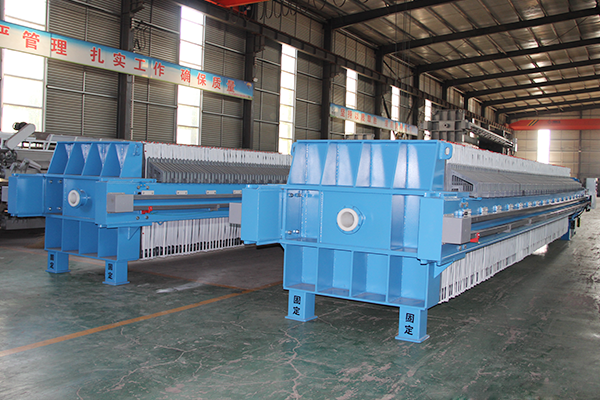
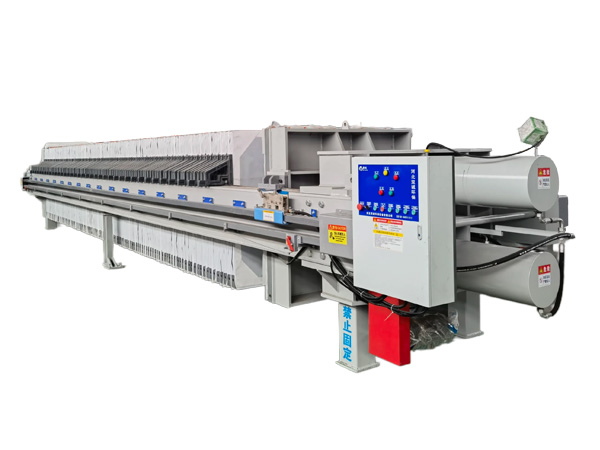
A filter press machine is engineered to separate solids from liquids through pressure filtration technology. Slurry is pumped into a set of filter plates, where solid particles are trapped and form a filter cake, while the liquid component (filtrate) passes through the filter cloths and is discharged. The efficiency of this separation process is largely determined by selecting the right equipment configuration, materials, and automation level that match your specific processing requirements.
Key Factors to Consider When Choosing a Filter Press
1. Nature of the Slurry
The first step is to analyze the properties of the slurry you need to process, including:
Particle size and its distribution
Solid content concentration
Viscosity of the slurry
Chemical composition
Slurries with fine particles or high viscosity may require membrane filter presses or specialized filter cloths to ensure optimal filtration results and efficiency.
2. Filtration Capacity Requirements
It is essential to determine the volume of material that needs to be processed per cycle or per day. This factor directly influences:
The size and quantity of filter plates
The volume of each filter chamber
The total processing cycle time
For high-volume industrial operations, larger filter presses or fully automatic models are usually more efficient and better suited to meet production demands.
3. Type of Filter Press
There are various types of filter presses available, each designed to cater to different application scenarios:
Plate and Frame Filter Press: Perfect for small-scale operations or laboratory use, where processing volume is relatively low.
Chamber Filter Press: Widely used in industrial settings with moderate filtration requirements, offering a balance of efficiency and cost-effectiveness.
Membrane Filter Press: Utilizes additional pressure to further dewater the filter cake, enhancing cake dryness and overall filtration efficiency.
Automatic Filter Press: Designed for continuous operation with minimal manual involvement, ideal for large-scale, high-demand production lines.
4. Level of Automation
Automation can significantly boost productivity and reduce labor costs. Common automation options include:
Automatic plate shifting mechanisms
Automated cake discharge systems
Programmable Logic Controller (PLC) control systems
Highly automated filter presses are particularly suitable for large-scale operations, though they come with a higher initial investment cost.
5. Filter Plate Size and Material
Filter plates are available in a range of sizes and materials, with the most common options being:
Polypropylene: The most widely used material due to its cost-effectiveness and versatility.
Stainless steel: Suitable for high-temperature environments or applications involving corrosive slurries.
Larger filter plates typically offer higher filtration capacity but require more installation space and stronger support structures.
6. Cake Moisture Content Requirements
If your production process demands extremely dry filter cakes, consider the following features:
Membrane squeezing technology
Air blowing systems
Extended cycle times for thorough dewatering
Industries such as mining and sludge treatment often prioritize lower cake moisture content to reduce transportation and disposal costs.
7. Space and Installation Constraints
It is crucial to assess the available installation space in your facility, including:
The machine’s footprint
Required height clearance
Access space for maintenance and operation
Compact designs or modular filter press systems may be more appropriate for facilities with limited space.
8. Operating and Maintenance Costs
Beyond the initial purchase cost, it is important to consider long-term operational expenses, such as:
Energy consumption during operation
Frequency of filter cloth replacement
Routine maintenance requirements and associated costs
A cheaper filter press may end up costing more in the long run if it requires frequent downtime for repairs or part replacements.
9. Compliance and Industry Standards
Ensure that the selected filter press machine meets relevant industry standards, especially for applications such as:
Food-grade production, which requires hygienic design
Chemical processing, which demands strong chemical resistance
Environmental compliance with emission and waste disposal regulations
This is particularly critical in industries like pharmaceuticals and food processing, where strict quality and safety standards must be met.
Matching the Filter Press to Your Industry
Different industries have unique requirements for filter press machines, and selecting a model tailored to your sector ensures optimal performance:
Wastewater Treatment: Focus on sludge dewatering efficiency and high automation to reduce labor and operational costs.
Mining: Prioritize durability, corrosion resistance, and low cake moisture content to minimize disposal expenses.
Food & Beverage: Require hygienic design, easy cleaning, and compliance with food safety standards.
Chemical Industry: Need filter presses made of corrosion-resistant materials to handle aggressive chemicals.
Final Thoughts
Selecting the right filter press machine is not merely a matter of considering capacity or price—it involves aligning the equipment with your specific process needs, slurry characteristics, and long-term operational goals. By carefully evaluating the properties of your slurry, production requirements, desired automation level, and cost factors, you can invest in a filter press solution that enhances efficiency, reduces waste, and delivers consistent, reliable results. If you are uncertain about which filter press configuration best suits your application, consulting with an experienced manufacturer can provide valuable insights and help you make a well-informed decision.
References
GB/T 7714:Key Selection Criteria for Filter Press Machines in Industrial Solid-Liquid Separation. Journal of Environmental Engineering
MLA:Application of Different Filter Press Types in Mining and Wastewater Treatment. IEEE Transactions on Industrial Applications
APA:Automation Optimization of Filter Press Machines for High-Volume Production. Industrial Pollution Control
 Recommended Products
 Contact us
—— Contact:Manager
—— Tel:+86 16632826789
—— Email:sales@hbscfilterpress.com
—— Url:https://www.hbscfilterpress.com
—— Address:West Zone of Economic Development Zone, Fucheng County, Hengshui City, Hebei Province