
NewsDetails
Hydraulic Filter Press Buying Guide: Key Considerations
author:Shuangcheng time:2026-02-07 19:27:45 Click:54
Your Hydraulic Filter Press Guide to Smart Buying
Choosing the right Hydraulic Filter Press can make or break your filtration system’s performance. Whether you operate in wastewater treatment, chemical processing, mining, or food & beverage industries, a well-matched press improves solid-liquid separation, increases throughput, and reduces operating cost.
This Hydraulic Filter Press guide is designed to help you compare options, understand what really matters, and select the ideal press with confidence. Our insights reflect not just product features, but also factors like Hydraulic Filter Press Manufacturer expertise, factory production reliability, and bulk supply assurance that ensure robust performance in real-world operation.
What Is a Hydraulic Filter Press?
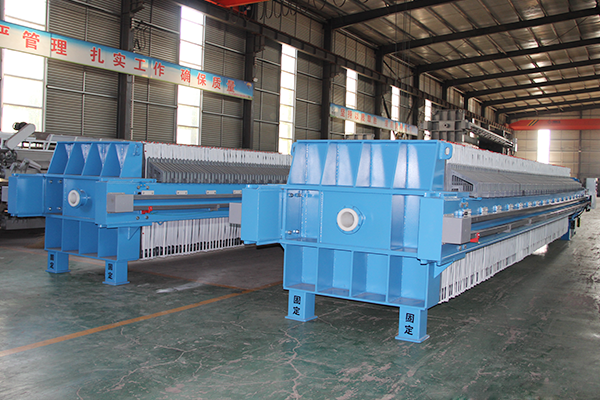
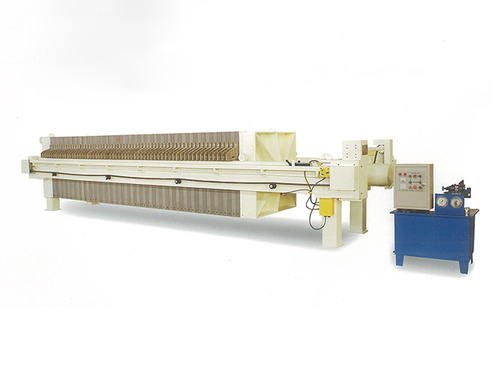
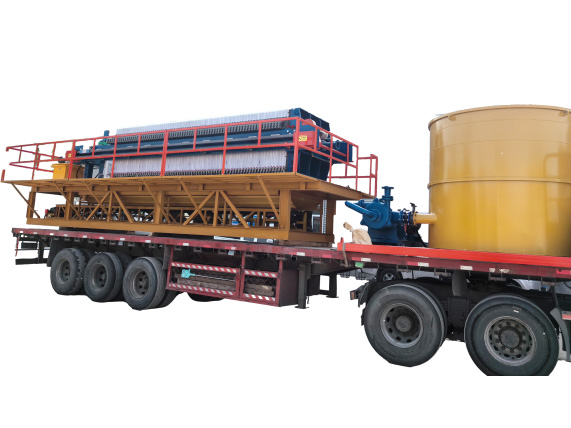
A Hydraulic Filter Press is a mechanical separation device that uses hydraulic pressure to squeeze solids from slurry. Its main function is to compress filter cloth-lined plates together, forcing liquid through the cloth and leaving separated solids behind. Compared to manual filter presses, hydraulic models provide:
·Adjustable pressure control
·Faster pressing cycles
·Safer operation
·Better sealing and reduced leakage
Whether you’re dealing with sludge thickening or fine particle dewatering, understanding the core function of a hydraulic system is key to choosing the right unit.
1. Plate Size and Material: Match to Your Needs
The size and build of the filter plates directly affect capacity and efficiency.
Plate Size & Chamber Count
Choose plates that match your expected slurry volume. Common plate sizes range from 500 mm to 2,000 mm, and chambers (spaces where slurry is held between plates) can vary from 10 to 50+ depending on production demands. Larger plates handle more slurry but require greater press force and longer cycle times.
Material Selection
Plate and frame materials must resist corrosion and abrasion:
·Polypropylene (PP) – common for chemical and wastewater applications
·Stainless steel – often used in food processing or highly acidic slurry
·Composite materials – offer weight reduction without sacrificing strength
Selecting the right plate characteristics ensures longer life and consistent performance.
2. Hydraulic System: Power and Control
The hydraulic system is the heart of a Hydraulic Filter Press.
Hydraulic Pump Type
·Electric motor driven pumps provide steady pressure with adjustable control
·Diesel-powered units are available for remote sites without stable electricity
Ensure the pump’s pressure rating matches the press plates’ requirements. Too low and the slurry won’t fully dewater; too high could damage equipment.
Control Options
Modern systems include:
·PLC automation for cycle optimization
·Remote control panels for safer operation
·Pressure sensors and fail-safe valves
These features enhance productivity and reduce operator error.
3. Filter Cloth Selection
The filter cloth is where the separation occurs. Choosing the right type determines:
Filtration rate
Cake release quality
Cloth lifespan
Common cloth materials include:
·Polyester
·Polypropylene
·Nylon
Thicker, high-density cloth captures fine particles but may slow down filtration. For heavy sludge, a coarser cloth speeds throughput.
4. Cycle Time and Throughput
Cycle time is the duration from slurry loading to cake discharge. It determines throughput:
·Efficient hydraulic systems with controlled press strokes can reduce cycle times.
·Automation (e.g., air-blow cloth cleaning systems) also helps maintain continuous operation.
When reviewing models, check:
·Average minutes per cycle
·Annual capacity potential
·Maintenance intervals
These numbers directly impact operating costs.
5. Safety and Environmental Compliance
Safety features are non-negotiable. Look for:
·Emergency stops
·Guarding around moving parts
·Pressure relief systems
·Automatic shutdown if seals fail
Additionally, modern hydraulic presses should comply with environmental standards for wastewater and sludge handling. Choosing equipment from reputable Hydraulic Filter Press Manufacturer partners backed by quality certifications strengthens compliance assurance.
6. Installation, Maintenance and After-Sales Support
Hydraulic systems require occasional maintenance:
·Regular oil change
·Seal inspection and replacement
·Cloth cleaning or replacement
·Plate integrity checks
Working with a manufacturer that offers factory production support, training, and spare parts delivery is invaluable. Ask about:
·Warranty terms
·On-site setup services
Technical documentation and tutorials
7. Cost Considerations and Total Ownership
The purchase price is only one part of the cost equation. Calculate:
·Cost per ton of filtrate
·Energy consumption
·Spare parts expense
·Downtime impact
Sometimes a slightly higher initial investment in automation or superior materials yields lower long-term operating cost.
Comparison Table: Key Hydraulic Filter Press Features
| Feature | Manual Filter Press | Hydraulic Filter Press |
|---|---|---|
| Automation | Low | High |
| Cycle Time | Long | Short |
| Safety | Basic | Advanced |
| Sealing | Medium | Excellent |
| Throughput | Moderate | High |
| Maintenance | Frequent | Predictable |
Hydraulic units consistently outperform manual alternatives for high-demand environments.
Conclusion: Confident & Informed Buying with Our Hydraulic Filter Press Guide
Whether it’s for industrial wastewater, mining slurry, or chemical processing, putting time into choosing the right Hydraulic Filter Press pays off. Use this Hydraulic Filter Press guide to:
✅ Understand core components
✅ Match your application demands
✅ Evaluate controls, materials, and automation
✅ Choose partners with strong Manufacturer and factory production capability
A carefully selected hydraulic system improves output, reduces cost, and ensures long-term operation reliability. Make your buying decision with confidence — informed, evidence-based, and aligned with your production goals.
References
GB/T 7714:Köry J, Krupp A U, Please C P, et al. The effect of compressibility on the behaviour of filter media[J]. IMA Journal of Applied Mathematics, 2020, 85(4): 564-583.
MLA:Köry, Jakub, et al. "The effect of compressibility on the behaviour of filter media." IMA Journal of Applied Mathematics 85.4 (2020): 564-583.
APA:Köry, J., Krupp, A. U., Please, C. P., & Griffiths, I. M. (2020). The effect of compressibility on the behaviour of filter media. IMA Journal of Applied Mathematics, 85(4), 564-583.
 Recommended Products
 Contact us
—— Contact:Manager
—— Tel:+86 16632826789
—— Email:sales@hbscfilterpress.com
—— Url:https://www.hbscfilterpress.com
—— Address:West Zone of Economic Development Zone, Fucheng County, Hengshui City, Hebei Province