
NewsDetails
Hydraulic Filter Press: Operation, Maintenance, and Performance Optimization Guide
author:grh time:2026-08-27 20:58:56 Click:74
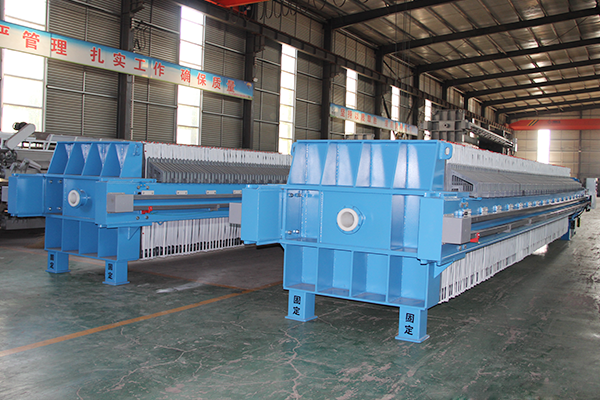
Among the various drive systems available for filter presses —manual, mechanical, and hydraulic —the hydraulic version has become the dominant choice for most industrial applications. It offers fast closing and opening, consistent clamping force, and a level of automation that significantly reduces operator involvement. But like any mechanical system, a hydraulic filter press performs at its best only when it is properly maintained and operated within its design parameters. This guide walks through the essentials of hydraulic press operation, the maintenance tasks that matter most, and how to identify and resolve common problems before they lead to costly downtime.
Why Hydraulic Drive Has Become the Industry Standard
The shift from mechanical to hydraulic filter press drive systems wasn't accidental. Hydraulic actuation delivers a combination of force, speed, and control that mechanical alternatives simply cannot match. A hydraulic cylinder can generate the high clamping forces required for pressure-tight filtration chambers —often 25 to 30 bar operating pressure —with minimal operator effort. The system closes the plate pack, holds it under constant pressure throughout the filtration cycle, and then releases smoothly when the cycle ends.
Beyond raw performance, hydraulic systems lend themselves to automation. Pressure transducers, limit switches, and programmable logic controllers (PLCs) can manage the entire cycle —close, filter, dewater, open, and discharge —with little or no manual intervention. This not only reduces labor costs but also produces more consistent results from cycle to cycle, since human error in setting clamping pressure is eliminated.
The Core Hydraulic Components
Understanding the key parts of a hydraulic filter press helps operators maintain and troubleshoot the system effectively:
Hydraulic Pump: Typically an electric motor-driven gear pump or piston pump that generates the flow of hydraulic fluid needed to move the cylinder.
Hydraulic Cylinder: The actuator that extends and retracts to close and open the plate pack. Sealed with high-quality piston rings to prevent fluid leakage.
Hydraulic Fluid Reservoir: Holds the oil that circulates through the system. Must be kept clean and at the correct level to prevent pump cavitation.
Directional Control Valves: Solenoid-operated valves that direct fluid flow —extending the cylinder for closing, retracting it for opening.
Pressure Relief Valve: A safety component that prevents the system from exceeding its maximum rated pressure, protecting seals, hoses, and cylinder components.
Accumulator (in some systems): A pressurized vessel that stores hydraulic energy, helping maintain clamping force during long filtration cycles and smoothing out pressure spikes.
Daily and Weekly Maintenance Routines
A well-maintained hydraulic filter press is a reliable one. Building a consistent maintenance routine into your operations prevents the gradual degradation that leads to failures. Here's what a practical maintenance schedule looks like:
Each day before starting the press, operators should check the hydraulic oil level in the reservoir using the sight glass or dipstick. Low oil levels can cause the pump to cavitate, leading to noisy operation and accelerated wear. Also verify that there are no visible leaks around fittings, valves, and the cylinder rod seal. Any drip accumulation on the floor beneath the press is a warning sign worth investigating.
Weekly maintenance should include an inspection of the hydraulic oil condition. Clean, amber-colored oil indicates good condition; dark or foamy oil suggests contamination or overheating and should be tested or replaced. Inspect all hose connections for tightness and signs of wear. Check that the pressure gauge reads correctly at operating pressure, and verify that the pressure relief valve is set to the manufacturer's specification —never adjust it upward to achieve higher clamping force than the press was designed for.
Common Hydraulic Problems and How to Fix Them
Even with diligent maintenance, issues arise. Knowing how to diagnose them quickly saves time and prevents minor problems from becoming major repairs.
If the plate pack fails to close fully or the clamping force seems weak, the first suspect is often the hydraulic pump or the relief valve setting. Check the system pressure with a calibrated gauge while the pump is running. If pressure is below specification, the pump may be worn, the relief valve may be stuck partially open, or there could be internal leakage in the cylinder. Cylinder seal wear is a frequent cause of poor clamping —a leaking piston seal allows fluid to bypass, reducing the effective force transmitted to the plate pack.
Excessive noise from the hydraulic pump usually points to cavitation, which occurs when the pump draws air or when oil is too viscous for the pump to handle efficiently. Ensure the reservoir is properly filled and that the intake line is not restricted. In cold weather, using the wrong viscosity oil can cause cavitation until the system warms up.
Oil overheating is another common complaint. If your hydraulic fluid regularly runs above 60°C, the system is working harder than it should. Causes include a relief valve that is always partially open (internal bypass), a undersized reservoir that doesn't allow enough cooling time between cycles, or a heat exchanger that needs cleaning. Persistent overheating degrades oil quality rapidly and shortens the life of seals throughout the system.
Extending Hydraulic System Life
A few practical steps go a long way toward maximizing the service life of your hydraulic components. Always use the hydraulic fluid specified by the press manufacturer —viscosity, additive package, and compatibility all matter. Keep a maintenance log that records oil changes, filter replacements, and any repairs or anomalies observed. This history makes it easier to spot trends before they cause failures.
When the press is not in use for extended periods —over weekends or holidays —consider running a brief hydraulic cycle to keep seals lubricated and prevent moisture from accumulating in the oil. If the press sits idle for months, consider draining and replacing the hydraulic oil before resuming production.
Finally, invest in operator training. A well-trained operator who understands what the pressure gauge is telling them and knows the normal operating sounds of the press will catch problems far earlier than someone who treats the equipment as a black box. Manufacturers and suppliers often provide on-site training as part of the installation package —take advantage of it and ensure new operators are properly inducted.
Choosing a Hydraulic Filter Press Supplier
When sourcing a hydraulic filter press, pay attention to the quality of the hydraulic components specified. Systems using name-brand pumps, valves, and seals from suppliers like Rexroth, Parker, or Bosch will typically outlast and outperform those built with lesser-known components. A trustworthy manufacturer provides clear documentation of hydraulic circuit diagrams, maintenance schedules, and spare parts lists. They should also be able to suggest hydraulic oil specifications suitable for your operating environment —particularly if your facility experiences extreme temperatures or operates in food-grade or pharmaceutical contexts where food-safe hydraulic fluids are required.
References:
Water Environment Federation —Operation of Municipal Wastewater Treatment Plants, WEF MOP 11
Industrial Filter Media Handbook, Filtration + Separation Magazine
Perry's Chemical Engineers' Handbook, 9th Edition, McGraw-Hill Education —Hydraulic Systems Chapter
ISO 1219-1:2016 —Fluid Power Systems and Components —Graphic Symbols and Circuit Diagram Design
 Recommended Products
 Contact us
—— Contact:Manager
—— Tel:+86 16632826789
—— Email:sales@hbscfilterpress.com
—— Url:https://www.hbscfilterpress.com
—— Address:West Zone of Economic Development Zone, Fucheng County, Hengshui City, Hebei Province