
NewsDetails
Best Pumps for Hydraulic Filter Press Operations
author:Shuangcheng time:2025-12-24 10:34:26 Click:170
Pump Selection for a Hydraulic Filter Press
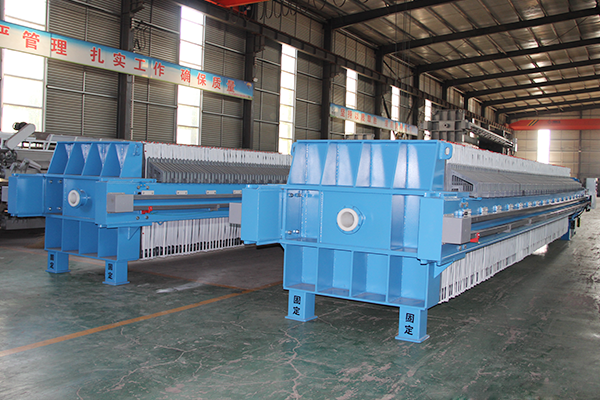
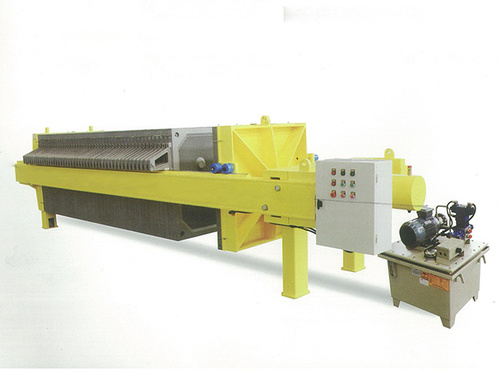
A Hydraulic Filter Press relies on more than plate design and hydraulic force to achieve effective solid–liquid separation. The pump supplying slurry to the system plays a decisive role in filtration speed, cake quality, and overall production stability. Selecting the right pump ensures that the press operates within its design parameters while maintaining consistent throughput.
In industrial filtration environments, pump choice directly influences operating costs and maintenance cycles. For production-oriented facilities working closely with a manufacturer or managing bulk equipment supply, proper pump selection also supports scalable and reliable system integration. This article examines the most suitable pump types for Hydraulic Filter Press operations and explains how to match pump performance with filtration requirements.
1. Why Pump Selection Matters in Hydraulic Filter Press Systems
The pump is responsible for delivering slurry into the press chambers under controlled pressure. An unsuitable pump can cause uneven chamber filling, excessive wear, or inefficient filtration cycles.
Key Pump Functions
·Deliver slurry at required flow and pressure
·Maintain stable feed during filtration
·Adapt to increasing resistance as cake forms
A well-matched pump improves both filtration efficiency and equipment longevity.
2. Understanding Pressure and Flow Requirements
Hydraulic Filter Press systems operate under changing pressure conditions.
Typical Operating Characteristics
·Low pressure during initial filling
·Gradual pressure increase as cake builds
·Maximum pressure during final dewatering
The selected pump must handle this pressure range without excessive energy consumption or mechanical stress.
3. Centrifugal Pumps: Advantages and Limitations
Centrifugal pumps are widely used in filtration systems due to their simple design.
Advantages
·Smooth continuous flow
·Lower initial cost
·Easy maintenance
Limitations
·Reduced efficiency at high pressures
·Limited performance with high-solids slurries
Centrifugal pumps are best suited for pre-thickened or low-viscosity slurries in moderate-pressure applications.
4. Positive Displacement Pumps for Filter Press Feeding
Positive displacement pumps are often preferred for demanding Hydraulic Filter Press operations.
Common Types
·Piston pumps
·Diaphragm pumps
·Plunger pumps
Key Benefits
·Capable of high pressure
·Stable flow regardless of resistance
·Effective for high-solids slurries
These pumps maintain consistent feeding even as filtration resistance increases, making them ideal for industrial production environments.
5. Diaphragm Pumps: A Balanced Solution
Diaphragm pumps combine pressure capability with gentle slurry handling.
Why They Work Well
·Handle abrasive or corrosive slurries
·Reduce risk of leakage
·Adapt to pressure fluctuations
For many Hydraulic Filter Press systems, diaphragm pumps offer a practical balance between performance, durability, and maintenance requirements.
6. Matching Pump Capacity to Press Design
Pump oversizing or undersizing can negatively impact filtration.
Sizing Considerations
·Filtration area of the press
·Chamber volume
·Desired cycle time
·Slurry concentration
Manufacturers involved in filter press production often provide recommended pump ranges to support stable operation and avoid unnecessary wear.
7. Slurry Characteristics and Pump Selection
Slurry properties must guide pump choice.
Important Slurry Factors
·Particle size and abrasiveness
·Solid concentration
·Chemical composition
·Temperature
For abrasive slurries, pumps with wear-resistant components extend service life and reduce downtime.
8. Energy Efficiency and Operational Costs
Pump energy consumption contributes significantly to total operating cost.
Efficiency Strategies
·Use variable-speed drives
·Match pump curve to operating range
·Avoid excessive pressure margins
Energy-efficient pump selection improves long-term production economics without sacrificing performance.
9. Integration with Hydraulic Filter Press Operations
Pump integration affects overall system reliability.
System Integration Points
·Control system compatibility
·Pressure monitoring and safety valves
·Maintenance access
In bulk supply or large-scale production settings, standardized pump configurations simplify installation and spare parts management.
Conclusion: Choosing the Best Pump for a Hydraulic Filter Press
A Hydraulic Filter Press performs at its best when paired with a pump that matches its pressure requirements, slurry characteristics, and production goals. While centrifugal pumps may suit lighter duties, positive displacement and diaphragm pumps often deliver superior performance for high-pressure and high-solids applications.
For production-focused operations and equipment manufacturers supplying hydraulic filter press systems at scale, thoughtful pump selection supports consistent filtration results, reduced downtime, and efficient long-term operation. By aligning pump capabilities with system demands, a Hydraulic Filter Press becomes a dependable component in any industrial filtration process.
References
GB/T 7714:Rushton A, Ward A S, Holdich R G. Solid-liquid filtration and separation technology[M]. John Wiley & Sons, 2008.
MLA:Rushton, Albert, Anthony S. Ward, and Richard G. Holdich. Solid-liquid filtration and separation technology. John Wiley & Sons, 2008.
APA:Rushton, A., Ward, A. S., & Holdich, R. G. (2008). Solid-liquid filtration and separation technology. John Wiley & Sons.
 Recommended Products
 Contact us
—— Contact:Manager
—— Tel:+86 16632826789
—— Email:sales@hbscfilterpress.com
—— Url:https://www.hbscfilterpress.com
—— Address:West Zone of Economic Development Zone, Fucheng County, Hengshui City, Hebei Province