
NewsDetails
Filter Press for Wastewater Sludge Dewatering Applications
author:grh time:2026-06-14 21:46:42 Click:183
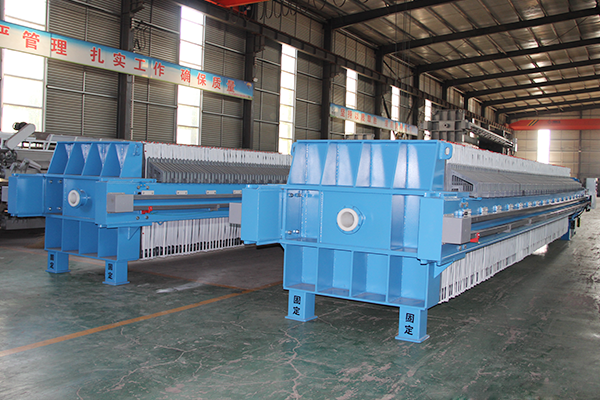
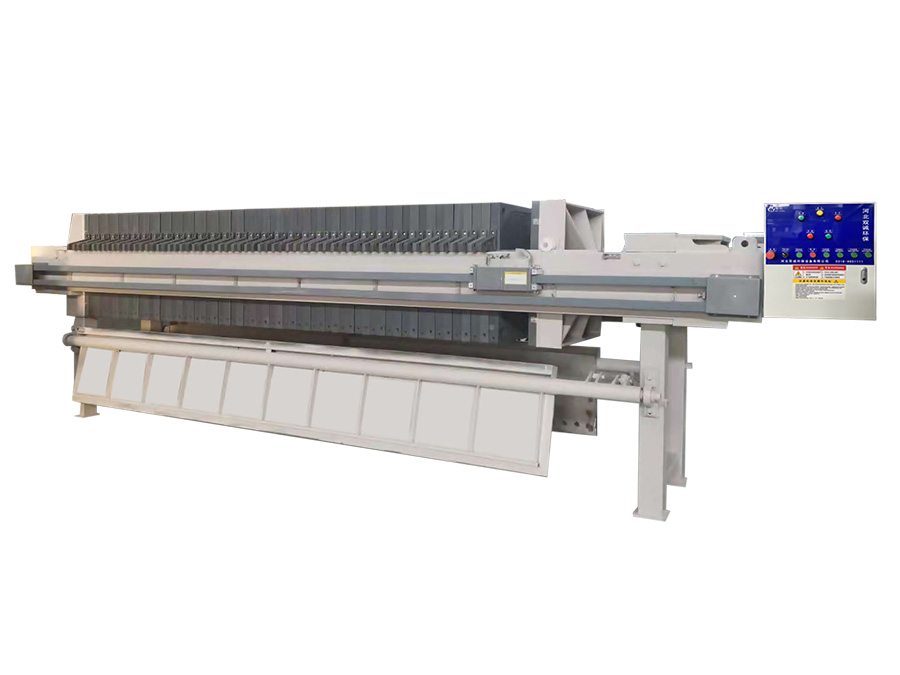
Wastewater treatment plants generate substantial volumes of sludge requiring dewatering before disposal or beneficial reuse. Filter presses deliver the driest cake of any mechanical dewatering technology, reducing sludge volume and weight by 50-70% compared to centrifuges or belt filters. This superior dewatering performance translates directly into lower hauling costs, reduced landfill fees, and simplified handling operations.
Municipal Wastewater Sludge Characteristics
Municipal wastewater sludge presents unique dewatering challenges due to its variable composition, fine particle size distribution, and biological activity. Primary sludge dewaters relatively easily, while waste activated sludge and digested biosolids resist dewatering due to their colloidal nature and bound water content. Understanding sludge characteristics guides equipment selection and conditioning requirements.
Professional sludge dewatering equipment manufacturers analyze sludge characteristics and recommend appropriate conditioning chemistry, filter cloth types, and operating parameters. Their application experience across hundreds of installations provides proven solutions for common and challenging sludge types.
Chemical Conditioning for Effective Dewatering
Most wastewater sludges require chemical conditioning before filter press dewatering. Inorganic conditioners like lime and ferric chloride collapse colloidal structures and improve permeability. Synthetic polymers (polyelectrolytes) bridge particles into larger flocs that release water more readily. Proper conditioning dosage and mixing are critical—under-conditioned sludge blinds filter cloth while over-conditioned sludge produces sticky cakes that resist discharge.
Leading filter press suppliers provide conditioning guidance based on jar testing and pilot-scale trials. They partner with chemical suppliers to develop conditioning programs optimized for specific sludge characteristics and filter press operating conditions, ensuring reliable dewatering performance.
Achieving Maximum Cake Dryness
Filter presses achieve municipal sludge cake solids of 30-50% depending on sludge type and conditioning effectiveness. Diaphragm filter presses can push cake solids to 45-55% through squeeze dewatering. These dryness levels far exceed centrifuges (typically 20-30% solids) and belt presses (typically 15-25% solids), resulting in substantially lower disposal costs.
Experienced dewatering filter press factories optimize their systems for municipal sludge applications with features like automatic plate shifting, cloth washing systems, and drip trays that simplify operation and reduce labor requirements. These automation features make filter presses practical for installations operating multiple cycles daily.
Industrial Wastewater Applications
Industrial wastewater sludges vary dramatically in characteristics and dewatering behavior. Metal finishing sludges, chemical precipitation sludges, paper mill sludges, and food processing wastes each present unique challenges requiring application-specific approaches. Filter press versatility accommodates this diversity through configurable plate materials, cloth selections, and operating parameters.
Quality-focused industrial filter press manufacturers maintain application databases documenting performance across diverse industrial sludge types. They conduct pilot testing for unusual applications and develop customized solutions that address specific regulatory requirements and disposal constraints.
Disposal Cost Reduction Analysis
The economic justification for filter press dewatering centers on disposal cost savings. Each percentage point of reduced cake moisture decreases disposal weight and volume, directly reducing hauling and landfill fees. For large generators paying per-ton disposal rates, the savings from superior filter press dewatering can offset equipment costs within 1-3 years of operation.
Reputable dewatering equipment suppliers provide economic analyses comparing filter press dewatering against alternative technologies, incorporating capital cost, operating cost, chemical consumption, and disposal expense. These analyses help decision-makers understand the total cost of ownership and return on investment for filter press installations.
Automated Operation for High-Volume Facilities
Modern filter presses offer automation levels that minimize operator attention for routine operation. Automated systems manage plate shifting, cake discharge, cloth washing, and plate closing sequences. Process control systems monitor feed pressure, filtrate flow, and cycle timing to optimize performance automatically. These automation capabilities make filter presses practical for facilities operating continuously.
Established automated filter press manufacturers integrate their control systems with plant SCADA networks for centralized monitoring and operation. They also provide remote diagnostic capabilities that enable manufacturer technical support without site visits, reducing response time for troubleshooting assistance.
Making Informed Dewatering Technology Decisions
Selecting a filter press for sludge dewatering requires evaluating sludge characteristics, throughput requirements, target cake dryness, disposal costs, and available labor resources. Conduct pilot testing with representative sludge samples, compare performance and economics across dewatering technologies, and engage experienced suppliers who can demonstrate proven results in similar applications.
Filter press dewatering delivers unmatched cake dryness and disposal cost savings for wastewater sludge management. By understanding application requirements and partnering with knowledgeable equipment suppliers, treatment facilities can implement dewatering solutions that optimize both performance and economics.
References
Water Environment Federation (WEF) - Biosolids Treatment and Management Manual of Practice
United States Environmental Protection Agency (EPA) - Process Design Manual for Sludge Treatment and Disposal
American Water Works Association (AWWA) - Water Treatment Plant Design Handbook
 Recommended Products
 Contact us
—— Contact:Manager
—— Tel:+86 16632826789
—— Email:sales@hbscfilterpress.com
—— Url:https://www.hbscfilterpress.com
—— Address:West Zone of Economic Development Zone, Fucheng County, Hengshui City, Hebei Province