
NewsDetails
Filter Press Troubleshooting: Common Problems and Practical Solutions for Operators
author:grh time:2026-08-25 20:56:50 Click:97
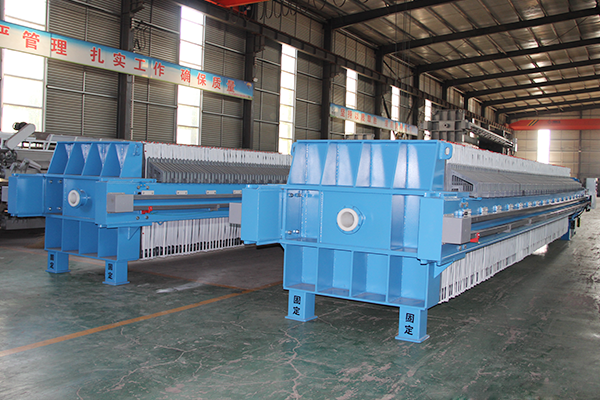
Even the most robustly built filter press will encounter operational issues over its lifetime. The question is never whether problems will occur but how quickly they can be identified and resolved. For plant operators and maintenance teams, having a clear, methodical approach to troubleshooting is essential —a minor issue left unaddressed can escalate into extended downtime, damaged equipment, and lost production. This guide addresses the most frequently encountered filter press problems, explains their root causes, and provides actionable solutions drawn from real-world operational experience.
Problem: Filtration Cycle Takes Too Long
A filtration cycle that runs noticeably longer than it used to is one of the most common complaints operators face. The underlying cause is almost always related to one of three things: cloth blinding, slurry changes, or pump performance.
Filter cloth blinding occurs when fine solid particles penetrate the cloth weave or accumulate on the cloth surface, reducing permeability. This is especially common with sub-micron particles or when the slurry contains gelatinous substances that act as a sealant. To confirm blinding, inspect the cloth after discharge —a smooth, almost glazed appearance indicates blinding, while a properly functioning cloth should appear relatively open with some cake residue remaining on the surface. The solution is typically cloth washing (high-pressure water spray from both sides), chemical cleaning, or replacement if the fabric has permanently degraded.
If the slurry characteristics have changed —perhaps ore variability in a mining operation or batch differences in a chemical process —the filtration rate will be affected. Comparing current slurry solids content and particle size distribution with historical baseline data can reveal whether the problem is feedstock-related rather than equipment-related.
On the pump side, check that the feed pump is delivering the expected flow and pressure. A worn pump impeller or a relief valve that has drifted open will reduce the effective filtration pressure, directly slowing the cycle. Measure pump outlet pressure and compare it against the specification at the time of commissioning.
Problem: Cake Moisture Content Is Higher Than Target
Insufficient cake dryness is a frequent issue that impacts disposal costs, product quality, or both. The most likely culprits are cycle termination too early, inadequate pressure, and problems specific to membrane presses.
For standard chamber presses, the cycle may be ending before the natural pressure limit is reached. Review the cycle termination criteria —is the system set to stop at a fixed time rather than a pressure threshold? If so, the pressure may not have equilibrated before discharge. For membrane presses, confirm that the membrane squeeze stage is functioning. Check the air or water pressure applied to the membrane plates —if it is below the specified value, the squeezing force will be insufficient. Also inspect the membrane plates for cracks or punctures that could allow pressure loss.
In some cases, the problem originates with the slurry itself. High proportions of fine particles create a dense cake structure that resists dewatering, regardless of pressure applied. A filter aid such as perlite or diatomaceous earth can be added to the feed to create a more permeable cake matrix, though this approach adds consumable cost and must be weighed against the benefits.
Problem: Leakage Around Plate Edges or Feed Ports
Leakage during filtration indicates that the plate pack is not sealing properly. This can waste product, create safety hazards from pressurized spray, and reduce effective filtration area since the leaking portion of the press is not participating in filtration.
The most common cause is worn or damaged filter cloth. Tears, holes, or deformed cloth at the sealing surfaces allow slurry to bypass the filtration chamber. Inspect the cloth around each plate's perimeter and feed port carefully. Any visible damage requires cloth replacement before the next cycle.
Damaged plate edges —chips, cracks, or wear grooves —can also cause leakage by preventing a proper seal between adjacent plates. Polypropylene plates are particularly susceptible to cracking from impact or thermal cycling. Replace cracked plates promptly; attempting to run with damaged plates will only worsen the problem and may damage adjacent plates through chain reaction.
For the plate closing mechanism, verify that the hydraulic clamping force is sufficient and that the closing rams are reaching their fully extended position. Insufficient clamping leaves gaps between plates that manifest as leakage during filtration.
Problem: Uneven Cake Distribution Across Plates
When some chambers fill with cake while others remain partially empty, the feed distribution system is likely blocked or unbalanced. Filter presses rely on internal channels within the plates to distribute slurry evenly to each chamber. If a channel becomes plugged with solids, the downstream plates receive less feed.
The fix involves identifying the blocked channel and clearing it. This may require disassembling the plate pack, removing the blockage manually, and flushing the channel system with water or solvent. Regular flushing of the feed system between cycles helps prevent channel blockages, especially with slurries that have a tendency to settle or aggregate.
Problem: Filter Cloth Wearing Out Too Quickly
Excessive cloth wear leads to frequent replacements, increasing consumable costs and causing production interruptions. Cloth wear is accelerated by several factors: abrasive particles in the slurry, incorrect cloth tension, chemical attack from process fluids, and improper cleaning practices.
Matching the cloth material to the slurry chemistry is fundamental. Polypropylene cloths are suitable for most non-aggressive applications, but highly acidic or oxidizing conditions may require polyester, nylon, or specialty materials. Consult with your cloth supplier or manufacturer to confirm material compatibility.
Incorrect cloth stretching during installation also causes premature failure. Cloths that are too loose sag into the plate recess and get torn during cake discharge. Cloths that are over-stretched develop thin spots and tears. Use the manufacturer's recommended stretching procedure and check cloth tension visually after installation.
High-pressure wash jets used for cleaning can also damage cloth fibers if the nozzle is held too close or the pressure is set too high. Use a fan nozzle and maintain a minimum distance of 30 centimeters during washing.
Problem: Plate Sticking Together After Opening
When plates fail to separate cleanly after the clamping force is released, the cause is typically cake adhesion to the cloth or plate surfaces. This is especially problematic with sticky or gelatinous slurries, where the filter cake essentially acts as an adhesive between adjacent cloths.
Solutions include applying anti-adhesive coatings to plate surfaces, using grooved or textured plate faces that reduce the contact area with the cake, and adjusting the slurry chemistry if possible (for example, adjusting pH to reduce gelatinous behavior). In severe cases, consider switching to a membrane press with plate-shaking or cloth-washing mechanisms that actively separate the cake from the cloth during the discharge sequence.
Building an Effective Maintenance Program
Preventive maintenance is far more cost-effective than reactive troubleshooting. A practical maintenance program for a filter press includes daily checks (oil level, leak inspection, pressure gauge reading), weekly tasks (cloth inspection, plate condition assessment, oil quality check), and periodic major maintenance (full cloth replacement, plate recertification, hydraulic system service, full system calibration).
Keep a detailed maintenance log —record every inspection, repair, and anomaly. Over time, this log reveals patterns: cloth life trends, plate wear rates, and seasonal variations in slurry behavior. Manufacturers typically provide recommended maintenance schedules; treat these as minimum requirements rather than optional guidelines.
References:
<ul color:#555;"="">
Svarovsky, L. (2000). Solid-Liquid Separation, 4th Edition, Butterworth-Heinemann
Perry's Chemical Engineers' Handbook, 9th Edition, McGraw-Hill Education
Industrial Filter Media Handbook, Filtration + Separation Magazine
WEF Manual of Practice No. 8 —Wastewater Treatment Facility Operation
 Recommended Products
 Contact us
—— Contact:Manager
—— Tel:+86 16632826789
—— Email:sales@hbscfilterpress.com
—— Url:https://www.hbscfilterpress.com
—— Address:West Zone of Economic Development Zone, Fucheng County, Hengshui City, Hebei Province