
NewsDetails
How an Energy Saving Membrane Filter Press Improves Filtration Efficiency and Reduces Costs
author:Shuangcheng time:2026-03-25 07:39:28 Click:167
Introduction
In modern industrial manufacturing, efficient solid-liquid separation serves as a core pillar for boosting production efficiency and optimizing operational costs. Sectors including mining, wastewater treatment, chemical processing, and food production all depend on high-reliability filtration systems to handle slurry and sludge generated during production. Among the cutting-edge filtration solutions currently available, the Energy Saving Membrane Filter Press has emerged as a standout choice. It excels in delivering superior filtration efficiency, reducing filter cake moisture content, and cutting down operational expenditures. By integrating membrane plate technology with intelligent automated control systems, this equipment enables enterprises to optimize filtration performance while substantially lowering energy consumption. This article delves into the operational mechanism of the Energy Saving Membrane Filter Press, along with its strategies for enhancing filtration efficiency and reducing overall operational costs.
What Is an Energy Saving Membrane Filter Press?
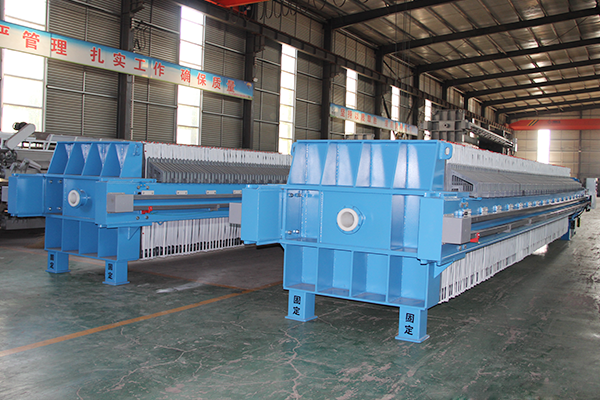
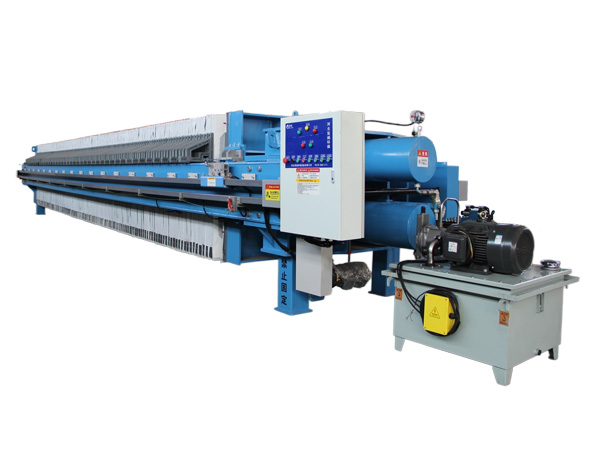
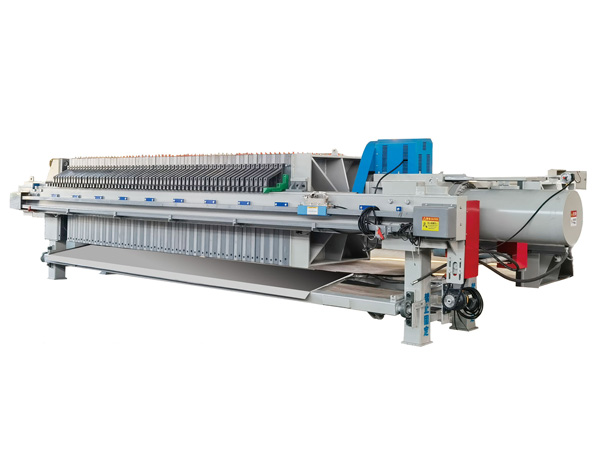
The Energy Saving Membrane Filter Press represents an advanced iteration of filter presses. Its core feature lies in the use of membrane filter plates to apply supplementary pressure to the filter cake following the initial filtration phase. In a standard filtration process, slurry is pumped into sealed filter chambers. Solid particles are trapped by the filter cloth, while the liquid component passes through and is discharged. In contrast, the membrane filter press is equipped with flexible membranes inside its plates. These membranes expand when injected with compressed air or water, performing an additional squeezing action on the formed filter cake and expelling more liquid from the solid particles. This unique extra squeezing process yields four key benefits:
·Reduced moisture content in the filter cake
·Shortened filtration cycle durations
·Elevated filtration efficiency
·Decreased energy consumption and operational costs
Working Principle of a Membrane Filter Press
The operation of an Energy Saving Membrane Filter Press consists of five core stages, ensuring a smooth and efficient filtration process:
1. Plate Closing
The hydraulic system exerts pressure to tightly clamp all filter plates together, forming sealed filtration chambers. This critical step prevents slurry leakage during the filtration process, laying the foundation for efficient solid-liquid separation.
2. Slurry Feeding
A specialized slurry pump delivers the mixed slurry into the sealed chambers. As the slurry fills the chambers, internal pressure gradually rises. The liquid component in the slurry passes through the filter cloth and is discharged through the filtrate outlet, while solid particles start to accumulate on the cloth surface.
3. Cake Formation
Solid particles continuously accumulate inside the chambers, gradually forming a thick filter cake layer. As the cake layer thickens, the filtration process proceeds under sustained pressure, with the solid content in the slurry being progressively retained.
4. Membrane Squeezing
After the initial filtration stage is completed, compressed air or water is injected into the membrane plates. The flexible membranes inside the plates expand rapidly, applying targeted additional pressure to the filter cake. This squeezing action forces out the remaining moisture in the solid particles, significantly lowering the cake's moisture content.
5. Plate Opening and Cake Discharge
Once the filtration and squeezing processes are finished, the filter plates are opened either automatically (via the control system) or manually. The dried filter cake, with reduced moisture content, falls out of the chambers by gravity, completing the entire filtration cycle.
How It Improves Filtration Efficiency
Higher Dewatering Performance
The membrane squeezing technology applies targeted, supplementary pressure to the filter cake, which is more effective than the natural filtration of conventional chamber filter presses. This action removes a larger amount of moisture from the solid particles, resulting in drier filter cakes and greatly improving solid-liquid separation efficiency.
Shorter Filtration Cycles
The accelerated dewatering effect of membrane squeezing shortens the overall duration of each filtration cycle. Within the same time frame, enterprises can process more batches of slurry, directly improving production throughput and operational efficiency.
Consistent Filtration Results
The controlled membrane squeezing process ensures uniform pressure distribution across the entire filter cake. This avoids uneven dewatering, ensuring stable and predictable filtration performance, and meeting the strict quality requirements of various industrial processes.
Improved Solid Recovery
High-efficiency filtration maximizes the retention of solid particles in the slurry. For industries such as mining and mineral processing, where valuable solid resources are present, this leads to a significant increase in solid recovery rates, enhancing resource utilization efficiency.
How It Reduces Operational Costs
Lower Energy Consumption
Energy Saving Membrane Filter Presses optimize the pressure control logic during the filtration and membrane squeezing stages. By precisely adjusting pressure parameters based on slurry characteristics, the total energy required for each cycle is reduced, effectively cutting down long-term energy expenditures.
Reduced Transportation and Disposal Costs
The filter cake produced by the membrane filter press has a lower moisture content and thus a lighter weight. For industries generating large volumes of sludge or filter cake, this reduces transportation costs per unit weight. Additionally, drier cakes require less disposal volume, lowering overall disposal expenses.
Lower Labor Costs
Modern Energy Saving Membrane Filter Presses are equipped with comprehensive automated control systems, including PLC intelligent operation, automatic plate shifting, and automatic cake discharge functions. These features minimize manual intervention, reducing the need for dedicated operational personnel and lowering labor costs.
Reduced Drying Costs
In many industries, filter cake or sludge requires additional drying before disposal or reuse. The membrane filter press's high dewatering performance produces cakes with inherently low moisture content, significantly reducing or even eliminating the need for subsequent drying processes and the associated energy and equipment costs.
Key Industries That Benefit from Energy Saving Membrane Filter Presses
The Energy Saving Membrane Filter Press is widely applied in multiple sectors requiring efficient solid-liquid separation, delivering significant value across various industrial scenarios:
Mining and Mineral Processing
It is primarily used for tailings dewatering, concentrate filtration, and valuable mineral recovery. The high dewatering efficiency helps reduce environmental impact while improving resource utilization rates.
Wastewater Treatment
Municipal and industrial wastewater treatment plants rely on this equipment for sludge dewatering. It effectively reduces sludge volume, lowers disposal costs, and meets strict environmental discharge and disposal standards.
Chemical Industry
It ensures reliable solid-liquid separation during chemical production processes, preventing solid contamination of chemical products and safeguarding production quality and process stability.
Food and Beverage Processing
Applied in key filtration processes such as starch production, sugar refining, and edible oil purification. It meets the high cleanliness requirements of food processing while improving production efficiency.
Ceramics and Building Materials
Used for slurry filtration and industrial material recycling, it helps reduce raw material waste and lower production costs in the ceramic and building materials industries.
Key Advantages of Energy Saving Membrane Filter Press Technology
Compared with conventional filter presses, the Energy Saving Membrane Filter Press offers a comprehensive set of advantages:
·Higher filtration efficiency: Superior dewatering performance and shorter cycles boost overall production efficiency.
·Lower moisture content: Drier filter cakes reduce subsequent processing and disposal costs.
·Faster filtration cycles: Increased batch processing capacity improves throughput.
·Reduced energy consumption: Optimized pressure control lowers long-term energy expenditures.
·Lower operating costs: Decreased transportation, disposal, labor, and drying costs reduce total operational expenses.
·Improved automation: Intelligent control systems enhance operational reliability and reduce manual management risks.
These advantages position the Energy Saving Membrane Filter Press as an ideal solution for industries aiming to enhance production efficiency while reducing operational costs.
Conclusion
The Energy Saving Membrane Filter Press is a highly efficient, cost-effective filtration solution tailored to the needs of modern industrial production. By integrating advanced membrane squeezing technology with automated operational systems, it significantly improves filtration efficiency while reducing energy consumption, labor costs, and sludge disposal expenses. For enterprises dealing with large volumes of slurry or sludge, investing in an Energy Saving Membrane Filter Press can substantially enhance operational efficiency and sustainable development capabilities. As industries increasingly prioritize energy efficiency and environmental responsibility, the Energy Saving Membrane Filter Press will continue to play a vital role in achieving reliable, economical, and environmentally friendly solid-liquid separation in industrial production.
References
GB/T 7714:The MBR Book—Principles and applications of membrane bioreactors for water and wastewater treatment. Elsevier
MLA:PLC Intelligent Control System Design for Energy Saving Membrane Filter Presses: Reducing Labor and Energy Costs. Journal of Process Control
APA:Cost-Saving Analysis of Energy Saving Membrane Filter Press in Municipal Wastewater Treatment Plants. Separation and Purification Technology
 Recommended Products
 Contact us
—— Contact:Manager
—— Tel:+86 16632826789
—— Email:sales@hbscfilterpress.com
—— Url:https://www.hbscfilterpress.com
—— Address:West Zone of Economic Development Zone, Fucheng County, Hengshui City, Hebei Province