
NewsDetails
Hydraulic Filter Press for Sludge Dewatering: Complete Guide
author:Shuangcheng time:2025-12-15 10:27:15 Click:155
A Hydraulic Filter Press is one of the most dependable systems used for sludge dewatering in a broad range of industries. From municipal wastewater treatment to chemical production and mining operations, this filtration technology has earned a reputation for delivering consistent, high-pressure solid–liquid separation. Its straightforward mechanical layout, combined with a powerful hydraulic drive, enables stable operation at industrial-scale production levels—making it a preferred choice for procurement directly from a qualified manufacturer.
This guide breaks down the filtration process, core components, and performance features that define a modern hydraulic filter press.
1. Understanding the Hydraulic Filter Press
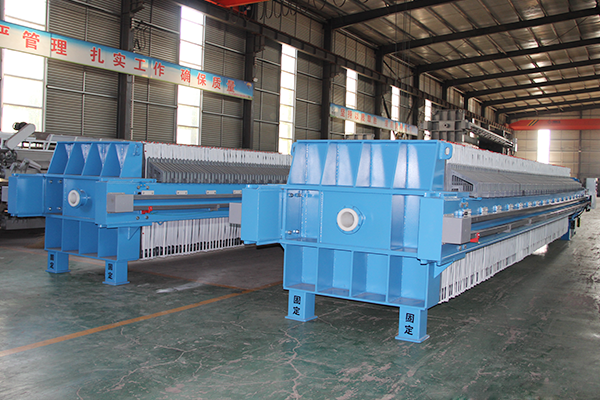
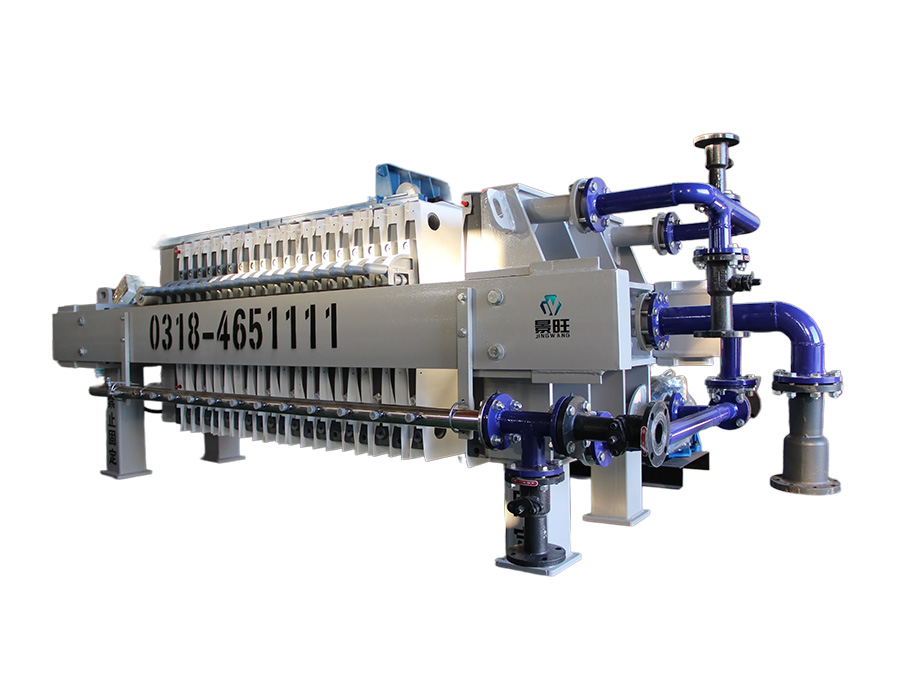
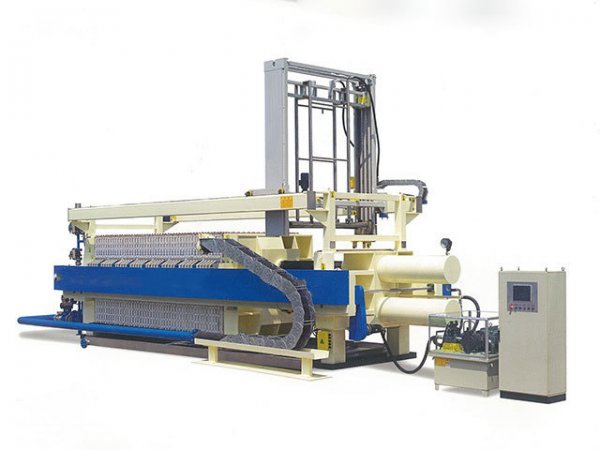
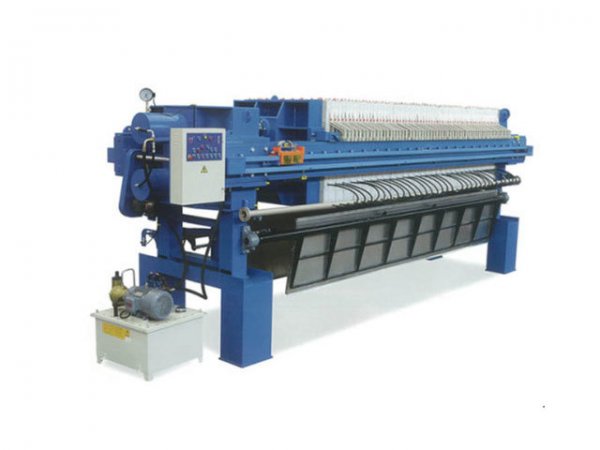
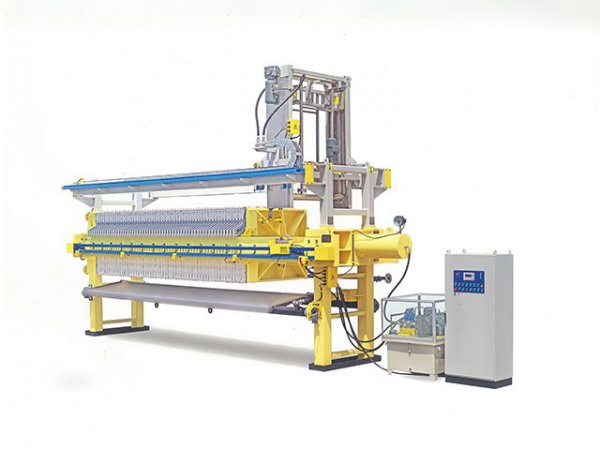
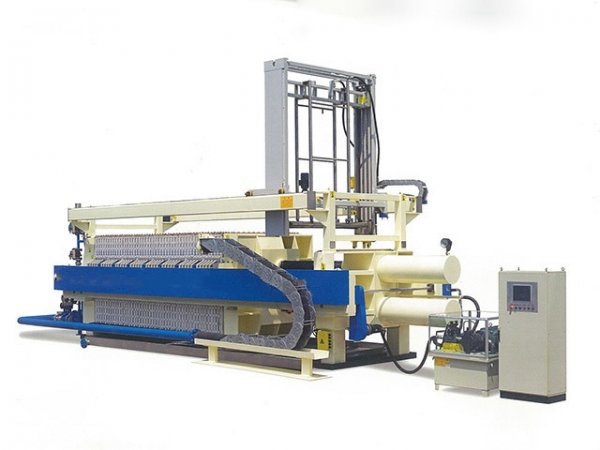
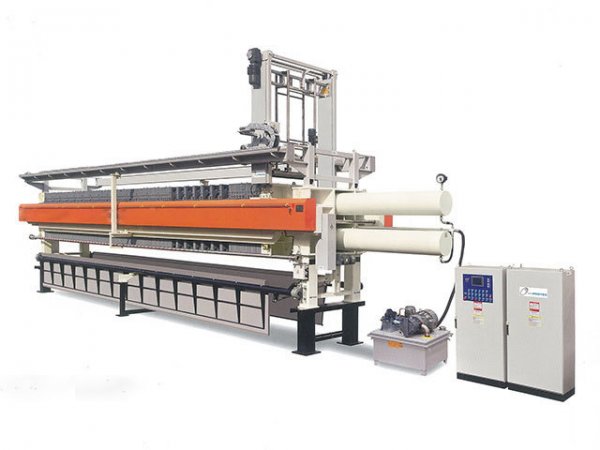
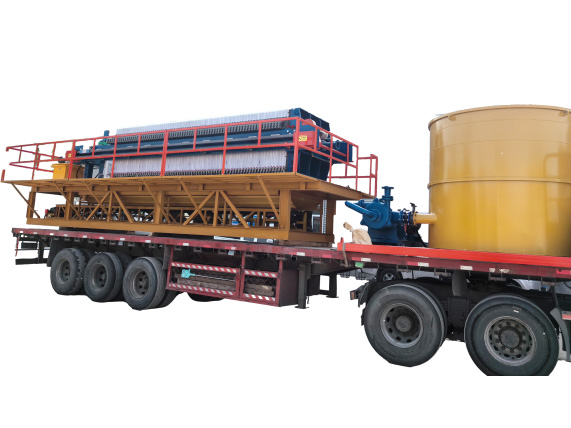
A hydraulic filter press consists of multiple filter plates arranged in a plate pack, which is compressed using a hydraulic cylinder. When pressure is applied, the plates create sealed chambers into which sludge is introduced. As liquid passes through the filter cloth, solids accumulate between the plates, ultimately forming a dense, uniform cake.
The hydraulic mechanism allows for:
·Controlled and repeatable closing pressure
·Automatic or semi-automatic operational control
·Strong sealing to handle high-solids or abrasive slurries
·High-throughput sludge processing on production lines
By securing consistent filtration pressure, equipment offered by a capable manufacturer can maintain long service life and low maintenance requirements.
2. How the Filtration Cycle Works
The hydraulic filtration cycle can be divided into several sequential stages. Each step contributes to achieving a dry, consolidated filter cake.
2.1 Hydraulic Plate Compression
The hydraulic unit drives the main cylinder, pushing the head plate forward. This locks the entire plate stack into a leak-resistant configuration.
2.2 Slurry Feed
Sludge is fed into the chambers under pump pressure. Filtration begins instantly as solids accumulate at the cloth surface.
2.3 Pressure Buildup
As the chambers fill, pressure gradually increases. Elevated pressure squeezes water from the forming cake and promotes deeper drainage within the sludge mass.
2.4 Cake Densification
Toward the end of the cycle, liquid flow slows dramatically. The cake becomes more compact, and final moisture levels are determined during this phase.
2.5 Plate Opening and Cake Release
When the filtration cycle stops, the hydraulic system retracts. Plates separate, allowing cakes to drop or be manually discharged.
This controlled cycle makes the Hydraulic Filter Press suitable for demanding industrial environments where reliable operation is necessary for continuous production.
3. Core Engineering Features That Affect Filtration Quality
Several design characteristics directly influence efficiency and cake dryness.
3.1 Plate Material and Geometry
Most presses use polypropylene plates for their strength, corrosion resistance, and low weight. Chamber depth determines cake thickness, while drainage channels control flow resistance.
3.2 Hydraulic System Quality
The strength and responsiveness of the hydraulic cylinder determine how effectively the plate stack seals. Stable pressure is crucial for avoiding leakage and achieving uniform cake formation.
3.3 Filter Cloth Selection
Cloth weave, pore diameter, and fabric type influence filtration resistance and filtrate clarity. Choosing the right cloth is essential for handling different sludge types.
3.4 Feed Pump Specifications
A pressure-controlled pump maintains consistent flow and prevents high-velocity surges that might disrupt early cake formation.
3.5 Optional Mechanical Automation
Automated plate shifters, drip trays, and washing systems enhance workflow for large facilities.
4. Why Industries Prefer Hydraulic Filter Press Systems
Hydraulic filter presses offer a broad set of operational advantages:
·Very Low Moisture Cakes: High-pressure operation leads to drier cakes than many alternative dewatering technologies.
·Low Operating Cost: Minimal energy usage and reduced manual involvement.
·Long-Term Durability: Hydraulic and structural components are engineered to withstand heavy-duty cycles.
·Adaptable Plate Configurations: Various chamber depths and filter media options accommodate different sludge characteristics.
·Strong Performance in High-Solids Applications: Especially valuable for mining tailings, chemical sludge, or industrial wastewater.
Large-scale production plants choose hydraulic filter presses because they handle high volumes with stable output quality.
5. Industries and Applications
Hydraulic filter presses are widely adopted across:
·Municipal sewage treatment
·Chemical and pharmaceutical processing
·Metallurgical operations
·Food and beverage factories
·Mining and mineral extraction
·General industrial wastewater treatment
Any operation producing slurry can benefit from the robust performance of a Hydraulic Filter Press, especially when sourced from a manufacturer equipped with advanced production capacity for customized units.
6. Key Considerations When Selecting a Hydraulic Filter Press
Before making a purchasing decision, evaluate:
·Filtration area required
·Plate size, quantity, and chamber volume
·Maximum filtration and closing pressure
·Sludge characteristics and expected solids loading
·Automation needs
·Materials compatibility
·Service support and technical documentation
A competent manufacturer should be able to provide detailed engineering guidance based on real sludge samples and operational requirements.
Conclusion
A Hydraulic Filter Press is an essential tool for achieving efficient, reliable sludge dewatering across industrial applications. Its hydraulic-driven closure system ensures stable sealing, consistent pressure, and the ability to generate exceptionally dry cakes—all vital for high-volume operations. Facilities sourcing equipment from a proven manufacturer with strong production capacity can expect long service life, predictable performance, and lower operational costs. Understanding filtration cycles, component design, and sludge behavior will ensure the right press is chosen for sustained industrial efficiency.
References
GB/T 7714:Wakeman R. The influence of particle properties on filtration[J]. Separation and purification technology, 2007, 58(2): 234-241.
MLA:Wakeman, Richard. "The influence of particle properties on filtration." Separation and purification technology 58.2 (2007): 234-241.
APA:Wakeman, R. (2007). The influence of particle properties on filtration. Separation and purification technology, 58(2), 234-241.
 Recommended Products
 Contact us
—— Contact:Manager
—— Tel:+86 16632826789
—— Email:sales@hbscfilterpress.com
—— Url:https://www.hbscfilterpress.com
—— Address:West Zone of Economic Development Zone, Fucheng County, Hengshui City, Hebei Province