
NewsDetails
Inside the Hydraulic System of a Filter Press
author:Shuangcheng time:2025-12-27 11:00:54 Click:161
Why the Hydraulic System Matters in a Hydraulic Filter Press
The hydraulic system is the driving force behind the reliable operation of a hydraulic filter press. While filtration performance often receives the most attention, the hydraulic mechanism is equally critical, as it controls plate closing, pressure generation, and safe operation throughout the filtration cycle.
A well-designed hydraulic filter press relies on stable pressure, precise control, and durable components to maintain consistent filtration efficiency. For manufacturers and industrial users alike, understanding how the hydraulic system functions provides valuable insight into performance, maintenance, and long-term operational stability.
The Role of Hydraulics in Filter Press Operation
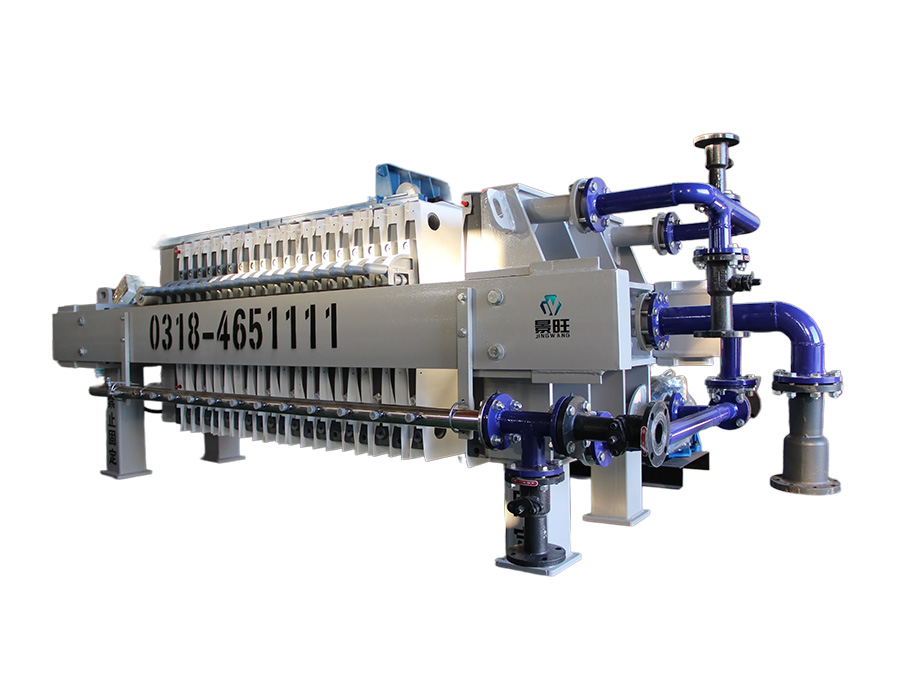
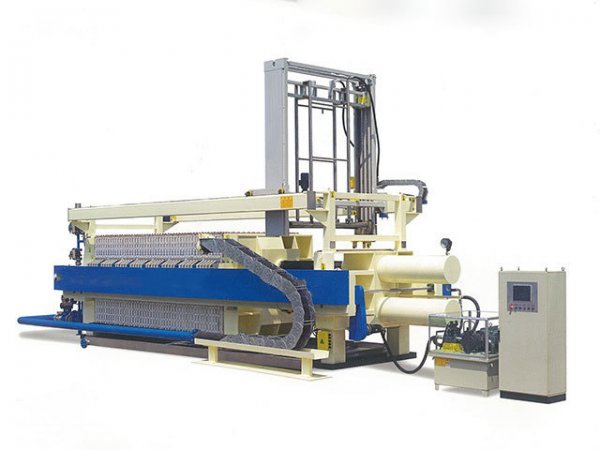
In a hydraulic filter press, the hydraulic system is responsible for applying and maintaining the closing force that seals the filter plates during operation. This force ensures that slurry remains contained while filtrate passes through the filter media.
Key functions of the hydraulic system include:
·Plate closing and opening
·Maintaining uniform pressure during filtration
·Ensuring operational safety through pressure control
Without a stable hydraulic system, even a well-designed filter press may experience leakage, uneven cake formation, or reduced service life.
Core Components of a Hydraulic Filter Press System
A typical hydraulic system in a filter press consists of several interconnected components working together as a closed loop.
Hydraulic Power Unit
The hydraulic power unit generates the pressure required to operate the system. It usually includes a motor, hydraulic pump, oil reservoir, and cooling elements. The efficiency of this unit directly impacts energy consumption and system responsiveness.
Hydraulic Cylinder
The hydraulic cylinder converts hydraulic pressure into mechanical force, closing the filter plates with consistent pressure. Precision machining and proper sealing are essential to prevent pressure loss and oil leakage.
Control Valves and Sensors
Directional control valves regulate oil flow, while pressure sensors and relief valves maintain safe operating limits. These elements allow controlled plate movement and stable pressure holding during filtration cycles.
Working Principle of the Hydraulic System
The hydraulic system operates on the principle of fluid power transmission. When the pump delivers pressurized oil to the cylinder, the piston moves forward, closing the filter plates. Once the desired pressure is reached, the system holds pressure for the duration of the filtration process.
After filtration, the system releases pressure, allowing plates to open and filter cakes to discharge. Smooth transitions between these stages are essential for minimizing mechanical stress and extending the service life of the hydraulic filter press.
Design Considerations for Performance and Reliability
High-performance hydraulic filter press systems are engineered with reliability as a priority. Design considerations often include:
·Proper sizing of hydraulic cylinders for required closing force
·Stable pressure control to avoid fluctuations
·High-quality seals and fittings to prevent oil contamination
Manufacturers focus on balancing pressure capacity with system efficiency, ensuring consistent operation across different working conditions.
Manufacturing and Production Factors
From a manufacturing perspective, hydraulic system quality depends heavily on controlled production processes. Professional manufacturers integrate standardized assembly procedures and quality inspections into their production lines to ensure consistency.
Key production practices include:
·Precision machining of hydraulic components
·Pressure testing before assembly
·Functional testing of complete hydraulic systems
Such processes allow manufacturers to support bulk supply requirements while maintaining consistent quality across large production batches.
Maintenance and Long-Term Operation
Regular maintenance plays an important role in sustaining hydraulic system performance. Common maintenance practices include oil replacement, seal inspection, and pressure calibration. Preventive maintenance reduces unexpected downtime and protects critical components from premature wear.
A well-maintained hydraulic filter press system not only improves filtration efficiency but also reduces long-term operating costs for industrial users.
Safety Features Within the Hydraulic System
Safety is an essential aspect of hydraulic system design. Relief valves, pressure sensors, and controlled locking mechanisms help prevent over-pressurization and accidental plate movement.
These safety features protect both equipment and operators, ensuring that the hydraulic filter press operates within defined parameters even under demanding industrial conditions.
The Manufacturer’s Role in System Integration
Manufacturers with in-house production capabilities are better positioned to control hydraulic system integration. By managing component sourcing, assembly, and testing internally, manufacturers can ensure compatibility and long-term performance.
This integrated approach also supports flexible production schedules and stable bulk supply for global markets, which is particularly important for large-scale industrial projects.
Future Trends in Hydraulic Filter Press Systems
As industrial filtration requirements evolve, hydraulic systems are becoming more energy-efficient and automated. Advances in sensor technology and hydraulic control systems enable more precise pressure management and reduced energy consumption.
Manufacturers continue to refine hydraulic designs to meet stricter efficiency standards while maintaining the robustness required for industrial filtration applications.
Conclusion: The Backbone of a Hydraulic Filter Press
The hydraulic system is the backbone of any hydraulic filter press, directly influencing performance, safety, and durability. From pressure generation to plate control, every component plays a vital role in ensuring stable filtration results.
For buyers and engineers, understanding the hydraulic system provides clarity when evaluating equipment quality and production capability. Hydraulic filter press solutions developed by experienced manufacturers, supported by controlled production processes and bulk supply capacity, offer long-term reliability for demanding industrial environments.
References
GB/T 7714:Esposito A. Fluid power with applications[M]. Columbus, OH, USA: Pearson Prentice Hall, 2009.
MLA:Esposito, Anthony. Fluid power with applications. Columbus, OH, USA: Pearson Prentice Hall, 2009.
APA:Esposito, A. (2009). Fluid power with applications (pp. 480-483). Columbus, OH, USA: Pearson Prentice Hall.
 Recommended Products
 Contact us
—— Contact:Manager
—— Tel:+86 16632826789
—— Email:sales@hbscfilterpress.com
—— Url:https://www.hbscfilterpress.com
—— Address:West Zone of Economic Development Zone, Fucheng County, Hengshui City, Hebei Province