
NewsDetails
How to Select the Right Filter Plate Material for Your Application
author:grh time:2026-11-09 15:23:16 Click:0
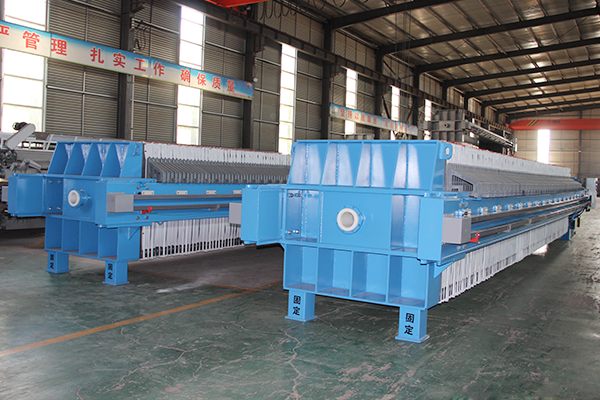
Selecting the right filter plate material is one of the most critical decisions when purchasing or upgrading a filter press. The plate directly contacts the slurry, withstands full operating pressure, and determines the service life of the entire filtration system. Choose the wrong material, and you face premature plate failure, product contamination, and unexpected downtime. This comprehensive guide walks through the most common filter plate materials, their properties, manufacturing processes, and the specific applications where each one excels. Whether you are buying your first filter press or upgrading an existing system, understanding plate material options will help you make an informed decision that balances performance, durability and cost.
Why Filter Plate Material Matters
The filter plate forms the pressure boundary and the filtration surface of the filter press. It must resist chemical attack from the slurry, withstand repeated cycling at full pressure, and maintain dimensional stability over thousands of cycles. The wrong material can warp, crack, or leach contaminants into the filtrate — leading to product quality issues, regulatory non-compliance, and costly emergency repairs.
In industrial filtration operations, the filter press typically runs multiple cycles per day. Each cycle involves pressurizing the slurry, filtering for minutes to hours, then depressurizing and discharging the filter cake. Over thousands of cycles, material fatigue and chemical degradation take their toll. A well-chosen plate material will last for years; a poor choice may fail within months. This guide provides a systematic approach to evaluating plate materials based on your specific operating conditions.
Polypropylene (PP) Filter Plates
Polypropylene is the most popular filter plate material in modern filtration systems. It is lightweight, corrosion-resistant against a wide range of acids and bases, and cost-effective. Injection-molded PP plates can be precision-formed with intricate filtration channels and drainage patterns that optimize flow distribution across the entire plate surface.
Chemical resistance: Polypropylene resists most acids (hydrochloric, sulfuric, nitric at moderate concentrations), bases (sodium hydroxide, calcium hydroxide), and many organic solvents. It is not suitable for strong oxidizers (concentrated nitric acid, chromic acid) or aromatic hydrocarbons (benzene, toluene) at elevated temperatures.
Temperature capability: The continuous operating temperature limit is approximately 90°C. Above this temperature, polypropylene softens and loses structural strength. For higher-temperature slurries, alternative materials are required.
Pressure rating: Standard polypropylene plates are rated for up to 16 bar operating pressure. Reinforced and membrane designs can achieve higher pressures, up to 25 bar or more for specialized applications.
Weight and handling: PP plates are significantly lighter than cast iron plates of the same size. A 1000mm PP plate weighs about 15–20 kg, compared to 40–50 kg for cast iron. This makes manual operation much easier and reduces the need for mechanical plate shifters on smaller presses.
Cast Iron Filter Plates
Cast iron plates were the industry standard before polypropylene became widely available. They remain in service in many legacy facilities and are still preferred for certain heavy-duty applications. Cast iron plates are extremely strong and can handle high pressures and temperatures that would deform polypropylene.
Temperature capability: Cast iron plates operate reliably at temperatures up to 200°C or higher. This makes them suitable for hot slurry filtration processes such as catalyst recovery, hot oil processing, and high-temperature chemical manufacturing.
Coating options: Uncoated cast iron rusts quickly in wet service. Most cast iron plates are lined with rubber, epoxy, or other protective coatings. Rubber-lined plates are flexible and provide good sealing, while epoxy-lined plates offer smoother surfaces for easier filter cake discharge.
Weight considerations: The main drawback of cast iron plates is their weight. A 1000mm cast iron plate weighs 40–50 kg, making manual handling impractical. Most cast iron filter presses are fully automated with mechanical plate shifting systems.
Stainless Steel Filter Plates
Stainless steel plates represent the premium end of the filter plate market. They are used primarily in sanitary applications where product purity is critical — such as pharmaceutical manufacturing, food and beverage processing, and electronics production. Stainless steel offers unmatched cleanliness, durability, and corrosion resistance.
Common grades: 304 stainless steel is the general-purpose grade. 316L stainless steel contains molybdenum for enhanced chloride resistance, making it suitable for brine, seawater, and chloride-containing slurries.
Cost considerations: Stainless steel plates cost 3–5 times more than polypropylene plates of the same size. However, in sanitary applications where product contamination is unacceptable, the cost premium is justified. Stainless steel plates also have the longest service life — often 10+ years with proper maintenance.
Material Comparison Table
| Property | Polypropylene | Cast Iron | Stainless Steel |
|---|---|---|---|
| Max Temperature | 90°C | 200°C+ | 300°C+ |
| Max Pressure | 16–25 bar | 30 bar+ | 30 bar+ |
| Weight (1000mm) | 15–20 kg | 40–50 kg | 35–45 kg |
| Relative Cost | 1× (baseline) | 2–3× | 3–5× |
| Best Applications | General industrial, wastewater | High temp, mining | Food, pharma, electronics |
How to Choose: Step-by-Step Decision Framework
Follow this systematic process to select the optimal filter plate material for your application:
- Step 1: Chemical compatibility check. List all chemicals in your slurry. Compare against the material's chemical resistance chart.
- Step 2: Determine operating temperature. Measure the maximum slurry temperature during filtration. Include safety margin.
- Step 3: Check pressure rating requirements. Calculate the design pressure for your filtration process.
- Step 4: Evaluate cleanliness requirements. Food, pharma, and electronics require stainless steel.
- Step 5: Total cost of ownership analysis. Calculate cost per year of service, not just purchase price.
Chamber vs Membrane Plates
Chamber plates form a fixed cavity between two adjacent plates. Slurry is pumped in under pressure, filtrate passes through the filter cloth, and solids build up in the chamber.
Membrane plates have an inflatable diaphragm on one or both sides. After filtration, the diaphragm is inflated, squeezing the filter cake further and reducing moisture content by 5–15%. Membrane plates cost 20–40% more but produce drier filter cake.
Common Mistakes When Selecting Filter Plates
- Choosing based on price alone. The cheapest plate may warp after 6 months. Calculate cost per year of service.
- Ignoring temperature limits. Polypropylene softens above 90°C. Know your actual process temperature.
- Overlooking chemical compatibility. If unsure, request test samples and run immersion trials.
- Forgetting spare parts inventory. Keep a few spare plates on hand. Lead times can be 4–6 weeks.
Filter Plate FAQ
Here are answers to the most common questions about filter plate materials and selection.
- How long do polypropylene filter plates last? — With proper operation, PP plates last 3–5 years or 5000+ cycles. Inspect annually for cracks and wear.
- Can I mix different plate materials? — Not recommended. Different expansion rates cause uneven sealing and leaks. Replace all plates at once.
- Chamber vs membrane plates? — Membrane plates squeeze filter cake drier after filtration. Cost more but reduce disposal costs.
- How do I clean filter plates? — Rinse with water after each cycle. Use soft brush for stubborn filter cake. Never use metal scrapers.
- Cracked plate — repair or replace? — Replace. A cracked plate compromises the entire press's sealing integrity.
- How to order the right size? — Specify plate size, type, material, corner port config, and press manufacturer/model.
Conclusion
Filter plate material selection balances chemical resistance, temperature, pressure, cleanliness, and total cost of ownership. For most general industrial applications, polypropylene offers the best value. High-temperature or sanitary applications may require cast iron or stainless steel. Always evaluate your specific slurry chemistry and operating conditions before making a decision.
References
- Perry's Chemical Engineers' Handbook, 9th Edition — Filtration Equipment Selection
- American Filtration & Separations Society — Filter Plate Design Guidelines
- ISO 9001:2015 — Quality Management for Filtration Equipment
- Polypropylene Material Compatibility Chart — Celanese Engineering Resins
- Filters and Filtration Handbook, 5th Edition — Clifford Walters
Writer David Miller
David Miller is a technical writer and engineer with over 12 years of experience in the filtration industry. He specializes in technical documentation, product specification and application engineering. David Miller holds a Bachelor's degree in Mechanical Engineering and has contributed to numerous technical publications on filtration equipment and process optimization.
 Recommended Products
 Contact us
—— Contact:Manager
—— Tel:+86 16632826789
—— Email:sales@hbscfilterpress.com
—— Url:https://www.hbscfilterpress.com
—— Address:West Zone of Economic Development Zone, Fucheng County, Hengshui City, Hebei Province