
NewsDetails
How to Select the Right Filter Plate Material for Your Application
author:grh time:2026-11-11 16:16:46 Click:0
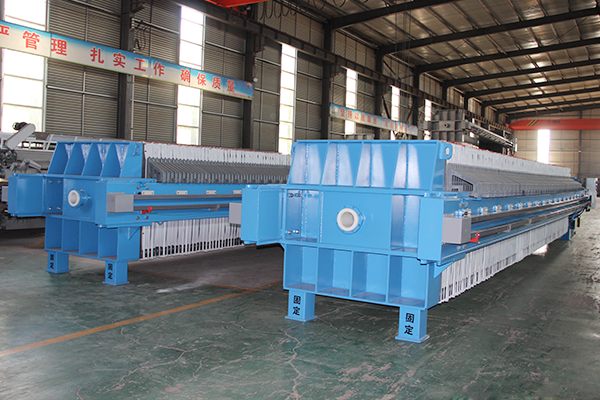
Selecting the right filter plate material is one of the most important decisions when purchasing or upgrading a filter press. The plate directly contacts the slurry, withstands full operating pressure, and determines the service life of the entire filtration system. Choose the wrong material, and you face premature plate failure, product contamination, and unexpected downtime.
Why Filter Plate Material Matters
The filter plate forms the pressure boundary and the filtration surface. It must resist chemical attack from the slurry, withstand repeated cycling at full pressure, and maintain dimensional stability over thousands of cycles. The wrong material can warp, crack, or leach contaminants into the filtrate.

Common Filter Plate Materials
Three primary materials dominate industrial filter plate construction, each with distinct advantages:
- Polypropylene (PP) — Most popular. Excellent chemical resistance, lightweight, low cost. Temperature limit ~90°C.
- Cast Iron — Very strong, high pressure and temperature capability. Heavy and prone to rust unless coated.
- Stainless Steel — Premium choice for sanitary applications. Excellent corrosion resistance, but expensive.
Material Comparison Table
| Material | Temperature | Cost | Best For |
|---|---|---|---|
| Polypropylene | Up to 90°C | Low | General industrial |
| Cast Iron | Up to 200°C+ | Medium | High temp, mining |
| Stainless Steel | Up to 300°C+ | High | Food, pharma, electronics |
Filter Plate FAQ
- How long do polypropylene plates last? — Typically 3–5 years or 5000+ cycles with proper maintenance.
- Chamber vs membrane plates? — Membrane plates have an inflatable diaphragm that squeezes filter cake drier. Cost more but produce lower moisture content.
- Can I mix materials? — Not recommended. Different expansion rates cause uneven sealing and leaks.
- How to clean plates? — Rinse with water after each cycle. Use soft brush for stubborn filter cake. Never use metal scrapers.
- Cracked plate — repair or replace? — Replace. A cracked plate will leak and compromise the entire press.
Conclusion
Filter plate material selection balances chemical resistance, temperature, pressure, cleanliness and budget. For most general industrial applications, polypropylene offers the best value. High-temperature or sanitary applications may require cast iron or stainless steel. Consult your supplier for the optimal choice based on your specific slurry.
References
- Perry's Chemical Engineers' Handbook, 9th Edition — Filtration Equipment
- American Filtration & Separations Society — Plate Design Guidelines
- ISO 9001:2015 — Quality Management for Filtration Equipment
Writer David Miller
David Miller is a technical writer and engineer with over 12 years of experience in the filtration industry. He specializes in technical documentation, product specification and application engineering. David Miller holds a Bachelor's degree in Mechanical Engineering and has contributed to numerous technical publications on filtration equipment and process optimization.
 Recommended Products
 Contact us
—— Contact:Manager
—— Tel:+86 16632826789
—— Email:sales@hbscfilterpress.com
—— Url:https://www.hbscfilterpress.com
—— Address:West Zone of Economic Development Zone, Fucheng County, Hengshui City, Hebei Province