
NewsDetails
Automatic Filter Press Operation: What You Need to Know
author:grh time:2026-11-19 17:39:58 Click:0
Automatic filter presses have revolutionized industrial filtration. Where manual presses required an operator to open plates one by one and scrape filter cake off cloths, automatic presses do it all with the push of a button. But what exactly does "automatic" mean, and how does it change your operation? This guide explains the key features of automatic filter presses, how they work, and what to consider when choosing one.
What Makes a Filter Press "Automatic"?
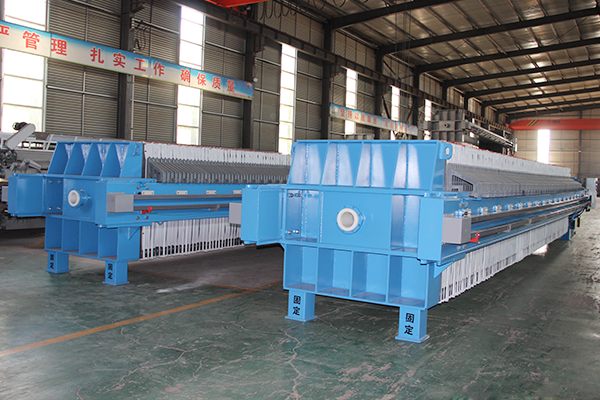
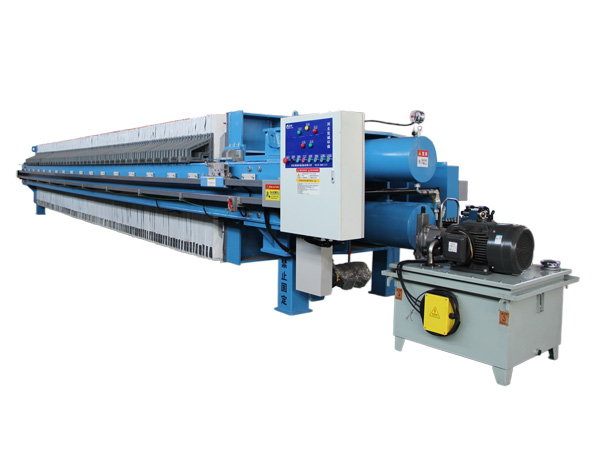
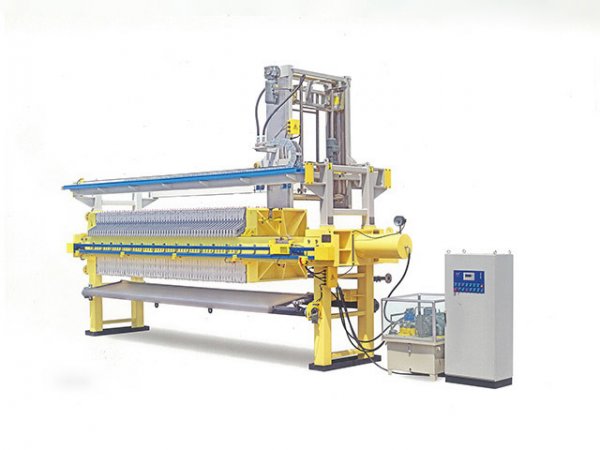
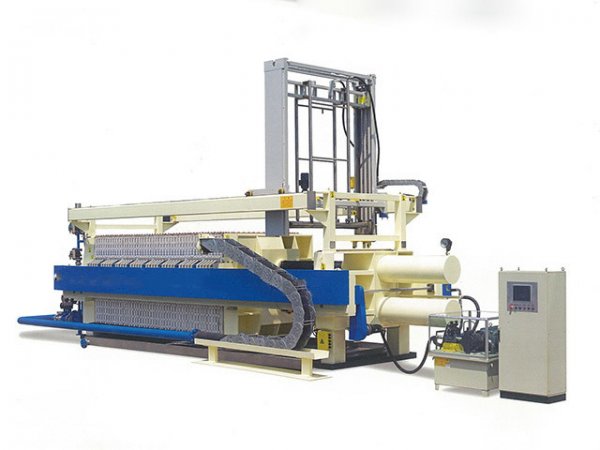
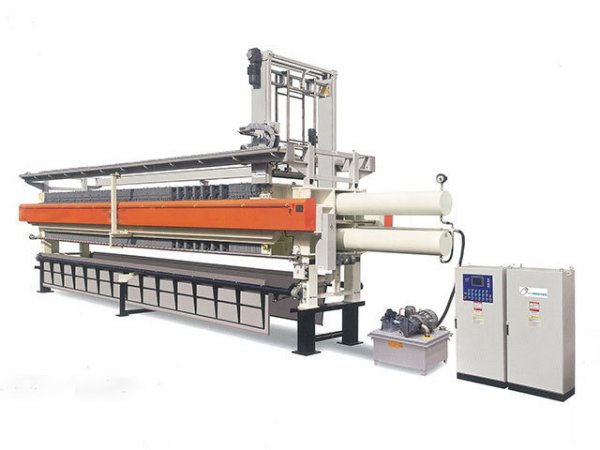
An automatic filter press automates the entire filtration cycle — from closing the press to opening it and discharging the filter cake. Instead of an operator manually opening each plate, a mechanical plate shifter moves along the beam, opening plates one at a time so the filter cake drops out. The whole cycle runs on a PLC (Programmable Logic Controller) with a touchscreen interface.
Key Features of Automatic Presses
- Automatic plate shifting: A mechanical shifter opens plates sequentially for filter cake discharge.
- PLC control panel: Touchscreen interface to set parameters, monitor cycles, and troubleshoot.
- Automatic cloth washing: High-pressure water jets clean the cloths while the press is open.
- Hydraulic closing: Automatic hydraulic system closes and presses the plates to the correct pressure.
- Cycle counter and data logging: Tracks number of cycles, run time, and production data.
- Safety interlocks: Emergency stops, safety guards, and pressure sensors prevent accidents.
Automatic vs Manual Comparison
| Feature | Manual Press | Automatic Press |
|---|---|---|
| Labor Required | 1–2 operators | 1 operator (multiple presses) |
| Cake Discharge Time | 20–40 min | 5–15 min |
| Consistency | Variable (operator dependent) | Consistent every cycle |
| Equipment Cost | Lower | Higher |
| Safety | More manual handling = more risk | Automated = safer |
How an Automatic Cycle Works
- Closing: The hydraulic cylinder pushes the moving beam, pressing all plates together with the correct force.
- Filtration: Slurry is pumped in under pressure. Filtrate flows out through the cloth.
- End of filtration: Pressure stabilizes or the set volume/time is reached.
- Squeezing (membrane models): Diaphragms inflate to squeeze the filter cake drier.
- Opening: The hydraulic cylinder retracts. The plate shifter opens plates one by one.
- Cake discharge: Cake drops out of each chamber as the plate opens.
- Cloth washing (optional): Water jets clean the cloths.
- Ready for next cycle: Press closes automatically when the next batch is ready.
Automatic Press FAQ
- How much labor does automation save? — One operator can manage 3–5 automatic presses, vs 1 operator per manual press. Labor savings typically pay back the automation premium in 1–2 years.
- Can I retrofit an old press with automation? — Yes, many presses can be retrofitted with a plate shifter and PLC control. Contact the manufacturer for a retrofit assessment.
- What safety features are standard? — Emergency stop buttons, safety guards with interlocks, pressure relief valves, and overload protection. Always follow the manufacturer's safety guidelines.
- How often does the PLC need maintenance? — Very little. PLCs are solid-state and reliable. Back up your program periodically in case you need to reload it.
- Can automatic presses run unmanned? — Yes, once set up correctly, they can run cycles automatically. However, we recommend periodic monitoring by an operator.
- What's the typical payback period? — For high-cycle operations (4+ cycles/day), automation pays for itself in 1–2 years through labor savings and improved throughput.
Conclusion
Automatic filter presses offer significant advantages in labor savings, consistency, and safety. The higher upfront cost is often justified by reduced labor and faster cycle times — especially for high-throughput operations. When choosing an automatic press, look for reliable PLC controls, durable plate shifting mechanisms, and good local support from the manufacturer. With proper maintenance, an automatic filter press will provide years of reliable, consistent service.
References
- Filter Press Automation Guide — Filtration + Separation Magazine
- ISA Technical Conference — PLC Control for Industrial Filtration
Writer Robert Taylor
Robert Taylor is a technical writer and engineer with over 12 years of experience in the filtration industry. He specializes in technical documentation, product specification and application engineering. Robert Taylor holds a Bachelor's degree in Mechanical Engineering and has contributed to numerous technical publications on filtration equipment and process optimization.
 Recommended Products
 Contact us
—— Contact:Manager
—— Tel:+86 16632826789
—— Email:sales@hbscfilterpress.com
—— Url:https://www.hbscfilterpress.com
—— Address:West Zone of Economic Development Zone, Fucheng County, Hengshui City, Hebei Province