
NewsDetails
Filter Press Maintenance Guide: Extend Equipment Life
author:grh time:2026-11-21 17:52:31 Click:0
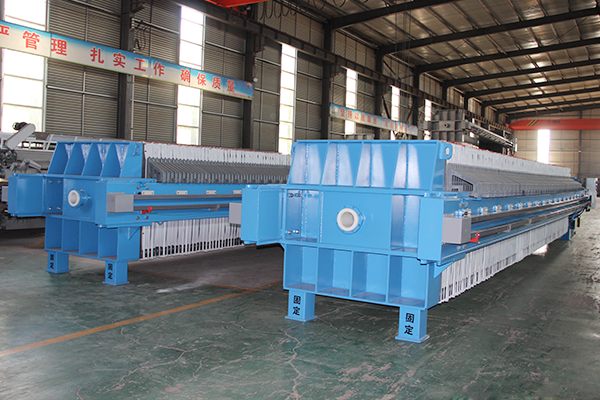
Proper maintenance is essential for getting the longest service life from your filter press. A well-maintained press will run reliably for 10–15 years or more. Neglected equipment, on the other hand, can break down prematurely, cause production downtime, and cost far more in repairs than a regular maintenance program would. This guide covers everything you need to know about filter press maintenance — from daily checks to annual overhauls.
Why Maintenance Matters
Filter presses operate under demanding conditions: high pressure, abrasive slurries, and frequent cycling. Without regular maintenance, small issues become big problems — a leaking seal becomes a plate crack, a worn cloth becomes product contamination. Preventive maintenance catches problems early, before they cause production shutdowns.
Daily Maintenance Checklist
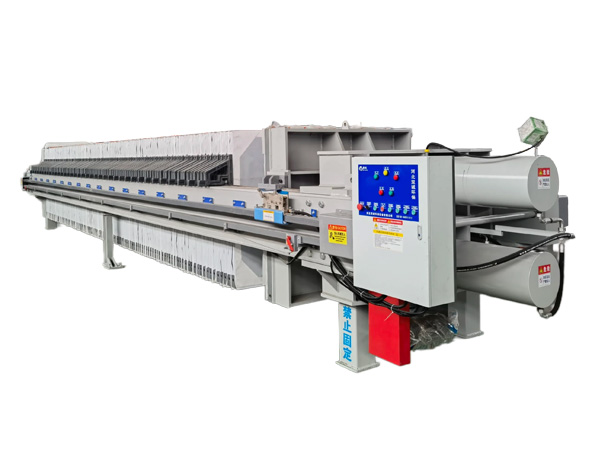
- Check for leaks — Inspect around the plates and piping for any visible leaks.
- Check hydraulic pressure — Verify the hydraulic system maintains correct closing pressure.
- Inspect filter cloths — Look for tears, holes, or excessive wear at the corners.
- Clean drip tray — Remove accumulated filtrate and sediment from the drip tray.
- Check plate alignment — Make sure all plates are properly aligned on the side bars.
Weekly Maintenance Tasks
- Deep clean filter cloths — Rinse thoroughly with water, use soft brush for stubborn filter cake.
- Check hydraulic oil level — Top up if needed, check for leaks in hydraulic lines.
- Inspect seal surfaces — Look for wear, grooves, or damage on the plate sealing surfaces.
- Lubricate moving parts — Apply grease to the side bars, hydraulic cylinder rod, and plate shifter rails.
Monthly and Quarterly Maintenance
| Task | Frequency | What to Check |
|---|---|---|
| Replace filter cloths | Every 3–6 months | When filtrate gets cloudy or flow slows |
| Hydraulic oil change | Every 12 months | Drain old oil, replace filter, refill |
| Check pump wear | Every 6 months | Pressure gauge, seal condition, flow rate |
| Inspect diaphragms | Every 6 months | Check for cracks, bulges, or air leaks |
| Safety device test | Every 3 months | Emergency stops, pressure relief, interlocks |
Common Problems and Solutions
- Leaking between plates: Usually caused by misaligned plates, worn cloths, or insufficient closing pressure. Check alignment, replace damaged cloths, verify hydraulic pressure.
- Cloudy filtrate: Indicates holes in the filter cloths or misaligned cloths. Inspect all cloths and replace damaged ones.
- Slow filtration: Could be blinded cloths, worn pump, or slurry concentration too high. Clean cloths, check pump performance, adjust slurry feed.
- Cake not discharging properly: Sticky filter cake may need a cloth change or pre-coat. Check if the plate shifter is opening plates fully.
- Hydraulic pressure dropping: Check for oil leaks, worn seals, or a failing pump. Top up oil and inspect the hydraulic system.
Wear Parts Replacement Schedule
- Filter cloths: 3–6 months (heavy use) to 12 months (light use)
- Hydraulic seals: 3–5 years
- Diaphragms (membrane presses): 3–5 years
- Packing seals (pump): 6–12 months
- Pressure gauges: Every 2–3 years (calibrate annually)
Maintenance FAQ
- How often should I deep clean the press? — Every 1–3 months depending on how dirty the slurry is. A full clean includes washing all plates, cloths, and the frame.
- What's the most overlooked maintenance task? — Lubrication. Many operators forget to grease the side bars and moving parts, leading to premature wear and sticky operation.
- Can I do maintenance myself or do I need a technician? — Daily and weekly tasks are easy for your operators. Annual overhauls and hydraulic system work should be done by qualified technicians.
- How do I store a press that's out of service? — Clean thoroughly, apply corrosion inhibitor to metal parts, release hydraulic pressure, and cover to keep dust out.
- What's the biggest maintenance mistake? — Waiting until something breaks. Reactive maintenance costs 3–5× more than preventive maintenance. Stick to a schedule.
- How long should a filter press last? — With good maintenance, 10–15 years or more. The plates and frame will outlast several sets of cloths and seals.
Conclusion
Regular maintenance is the key to long filter press life and reliable performance. Follow a structured maintenance schedule — daily checks, weekly tasks, and periodic overhauls. Train your operators on proper operation and basic troubleshooting. Keep spare parts on hand for fast replacement when needed. A well-maintained filter press is a reliable workhorse that will serve your operation for many years.
References
- Filter Press Maintenance Manual — Filtration Equipment Manufacturers Association
- ISA Technical Guide — Preventive Maintenance for Industrial Process Equipment
Writer David Miller
David Miller is a technical writer and engineer with over 12 years of experience in the filtration industry. He specializes in technical documentation, product specification and application engineering. David Miller holds a Bachelor's degree in Mechanical Engineering and has contributed to numerous technical publications on filtration equipment and process optimization.
 Recommended Products
 Contact us
—— Contact:Manager
—— Tel:+86 16632826789
—— Email:sales@hbscfilterpress.com
—— Url:https://www.hbscfilterpress.com
—— Address:West Zone of Economic Development Zone, Fucheng County, Hengshui City, Hebei Province