
NewsDetails
Working Principle of a Diaphragm Membrane Filter Press
author:Shuangcheng time:2026-01-23 17:44:45 Click:173
As a professional diaphragm membrane filter press manufacturer with established production capability and bulk supply capacity, we focus on delivering efficient and reliable solid–liquid separation solutions for industrial applications. Among various filtration technologies, the diaphragm membrane filter press is widely recognized for its superior dewatering performance and process stability.
Understanding the working principle of a diaphragm membrane filter press helps operators and engineers optimize system performance, reduce operating costs, and select equipment suited for long-term operation. This article explains how the diaphragm membrane filter press functions, its key operational stages, and why manufacturer-level production expertise plays a vital role in performance consistency.
Basic Structure of a Diaphragm Membrane Filter Press
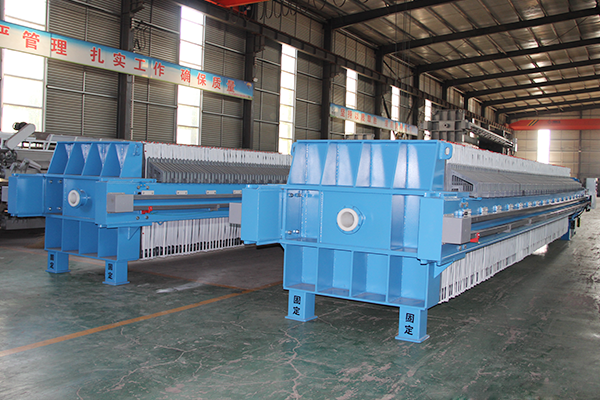
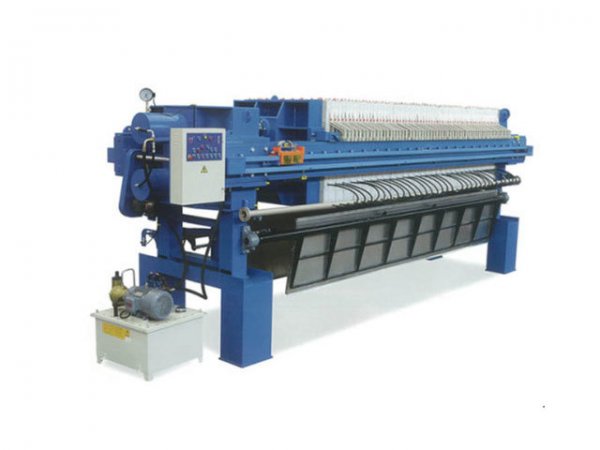
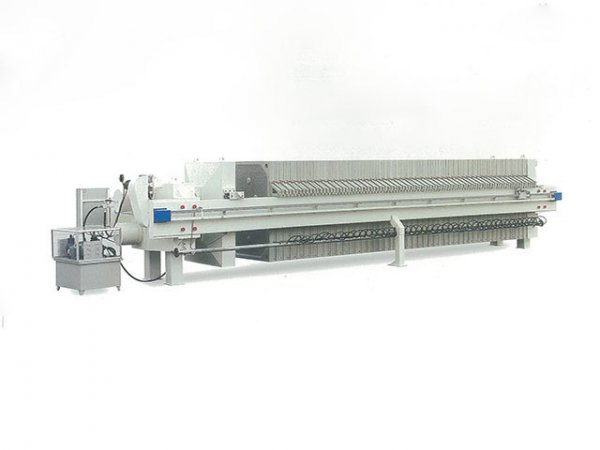
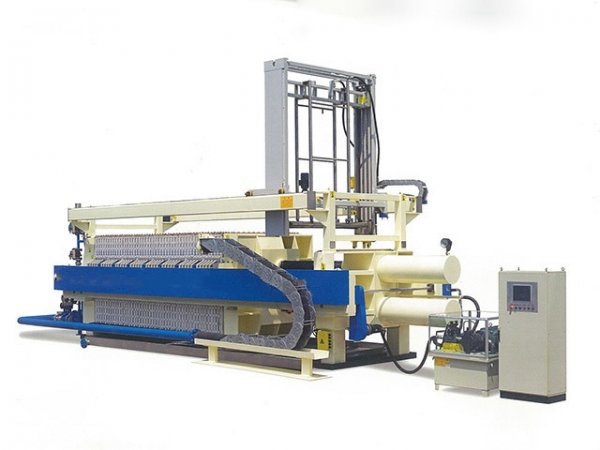
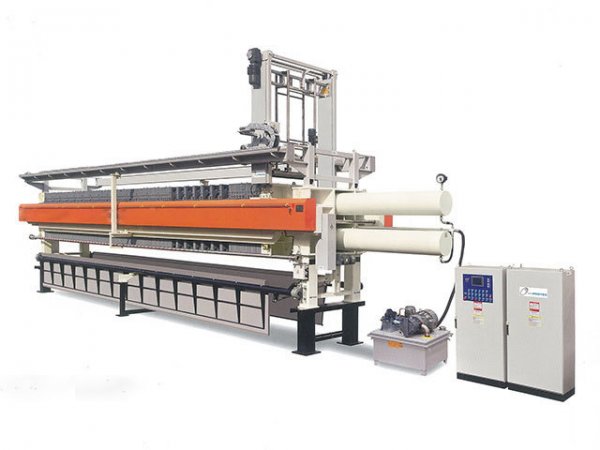
A diaphragm membrane filter press consists of a series of filter plates arranged in sequence, including standard chamber plates and membrane plates. Each membrane plate incorporates a flexible diaphragm that can expand under pressure.
Key structural components include:
·Filter plates and membrane plates
·Diaphragm membranes
·Filter cloths
·Hydraulic closing system
From a production perspective, precise plate molding and diaphragm material selection are essential to ensure uniform pressure distribution and long service life.
Filtration Stage: Slurry Feeding and Initial Separation
The filtration process begins when slurry is pumped into the closed filter press chambers. The hydraulic system applies pressure to tightly seal the plates, preventing leakage during operation.
As slurry enters the chambers:
·Solids are retained by the filter cloth
·Liquid passes through the cloth and exits as filtrate
·A filter cake gradually forms within each chamber
Manufacturers optimize internal flow paths during production to promote even cake formation and reduce clogging.
Membrane Squeezing Stage: Enhancing Dewatering Efficiency
Once the initial filtration phase is complete, the diaphragm membranes are pressurized using compressed air or water. This causes the membranes to expand and apply additional pressure directly to the filter cake.
This membrane squeezing stage:
·Compresses the filter cake uniformly
·Forces residual liquid out of the cake
·Significantly reduces final moisture content
High-quality diaphragm membrane filter presses are produced with membranes designed to withstand repeated high-pressure cycles without fatigue or deformation.
Pressure Control and Uniform Cake Compression
Uniform pressure application is critical to the effectiveness of diaphragm membrane filter presses. Uneven pressure can result in inconsistent cake moisture and reduced filtration efficiency.
Automated pressure control systems help:
·Regulate membrane inflation pressure
·Maintain consistent compression across all chambers
·Protect membranes from over-pressurization
During production, manufacturers conduct pressure and leakage testing to verify system reliability under operating conditions.
Cake Discharge and Plate Opening Process
After membrane squeezing is completed, pressure is released and the hydraulic system opens the filter plates. The compressed filter cake detaches from the filter cloth and falls from the chambers.
Efficient cake discharge depends on:
·Proper plate surface design
·Suitable filter cloth selection
·Consistent cake structure
Manufacturers refine plate geometry and surface finish during production to improve discharge performance and reduce manual cleaning.
Advantages of Diaphragm Membrane Filter Press Technology
Compared to conventional chamber filter presses, diaphragm membrane filter presses offer several operational advantages:
·Lower cake moisture content
·Shorter filtration cycles
·Improved throughput
·Reduced downstream drying requirements
These benefits make diaphragm membrane filter presses suitable for industries such as mining, chemical processing, metallurgy, and wastewater treatment.
Role of Automation in Modern Membrane Filter Presses
Automation further enhances the working principle of diaphragm membrane filter presses by controlling each operational stage with precision.
Automation enables:
·Consistent cycle timing
·Accurate pressure regulation
·Reduced operator intervention
Manufacturers integrating automation during production ensure better system coordination and long-term performance stability.
Why Manufacturer-Level Production Expertise Matters
Not all diaphragm membrane filter presses deliver the same results. Selecting equipment from a manufacturer with proven production expertise and bulk supply capability ensures consistent quality, reliable performance, and long-term support.
Manufacturer-level advantages include:
·Standardized production processes
·Rigorous material and pressure testing
·Stable quality across multiple units
These factors are critical for large-scale or repeat industrial installations.
Conclusion
Understanding the working principle of a diaphragm membrane filter press provides valuable insight into why this technology delivers superior dewatering performance. Through staged filtration, membrane squeezing, and precise pressure control, diaphragm membrane filter presses achieve lower moisture content and higher efficiency.
As a diaphragm membrane filter press manufacturer with scalable production and bulk supply capabilities, focusing on precision engineering, durable materials, and controlled manufacturing ensures reliable performance across demanding industrial applications. Investing in well-produced diaphragm membrane filter press systems supports long-term operational efficiency and process reliability.
References
GB/T 7714:Rushton A, Ward A S, Holdich R G. Solid-liquid filtration and separation technology[M]. John Wiley & Sons, 2008.
MLA:Rushton, Albert, Anthony S. Ward, and Richard G. Holdich. Solid-liquid filtration and separation technology. John Wiley & Sons, 2008.
APA:Rushton, A., Ward, A. S., & Holdich, R. G. (2008). Solid-liquid filtration and separation technology. John Wiley & Sons.
 Recommended Products
 Contact us
—— Contact:Manager
—— Tel:+86 16632826789
—— Email:sales@hbscfilterpress.com
—— Url:https://www.hbscfilterpress.com
—— Address:West Zone of Economic Development Zone, Fucheng County, Hengshui City, Hebei Province